
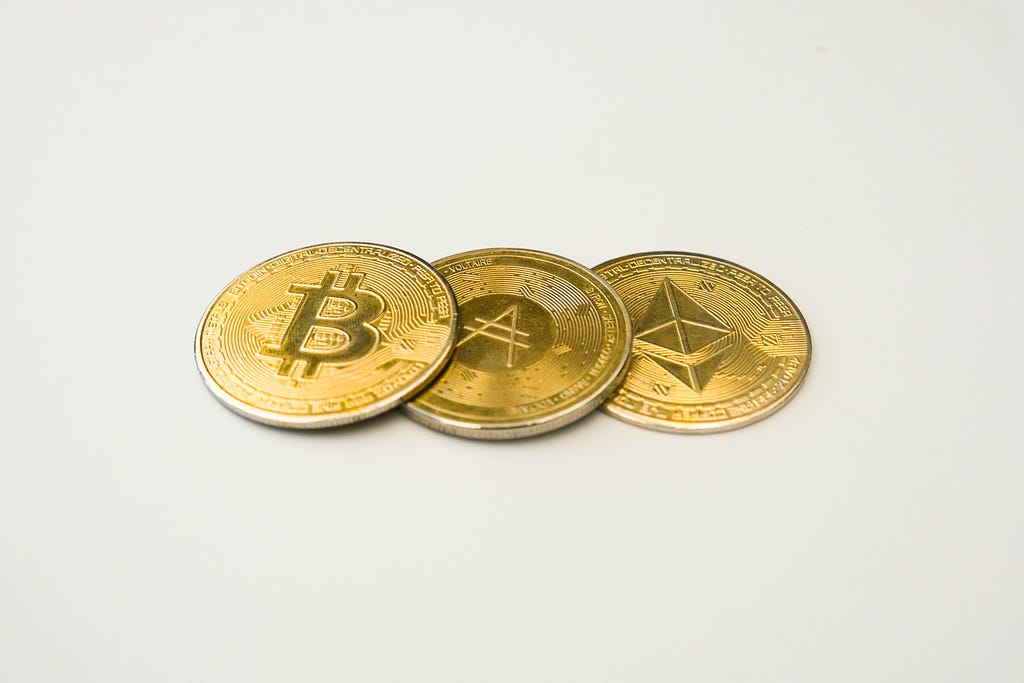
A simple guide to how digital asset wallets really work
If you’ve spent any time around crypto, you’ve been told to get a wallet, keep your keys safe, and never lose your seed phrase, usually without anyone explaining what any of that actually means. So people end up leaving everything on an exchange, or buying a device they don’t understand, or worse, losing access to their assets entirely.
This guide fixes that. It’s a complete, plain-English map of digital asset wallets: what they are, the different types, how they actually work, and how to avoid the mistakes and scams that catch beginners. No jargon walls, and, importantly, no recommendations and no financial advice, just a clear understanding so you can make your own informed decisions.
Let’s start from the very beginning.
First, what is a digital asset?
Before wallets, the thing they hold. A digital asset is any item of value that exists purely in digital form on a blockchain. That includes cryptocurrencies like Bitcoin, tokens built on other networks, stablecoins, and NFTs.
The key to understanding all of it is the blockchain: a shared, public ledger, a giant record book, that lives across thousands of computers at once and tracks who owns what. When you “own” a digital asset, there’s no coin or file sitting on your computer. There’s simply an entry on that ledger saying a certain address controls a certain amount.
That leads to the single most important idea in this whole guide, so hold onto it: owning a digital asset means controlling the key to it, not possessing a file.
So what is a digital asset wallet, really?
Here’s the myth to break first: your wallet does not hold your coins. It never did.
Your assets live on the blockchain. What your wallet actually stores are the keys that prove those assets are yours and let you move them. A wallet is really a keychain, not a coin purse.
There are two keys that matter, and the difference is simple:
Your public key (or public address) is like your account number or an email address. You share it freely, it’s how people send you assets.Your private key is the secret that proves ownership and authorizes moving those assets. It must never be shared with anyone.
Whoever controls the private key controls the assets. Full stop. This is why you’ll hear one phrase constantly in crypto: “not your keys, not your coins.” If someone else holds your keys, they effectively hold your assets. If you hold them, no one can touch your assets without you.
The seed phrase: your master key
When you set up most wallets, you’re given a seed phrase (also called a recovery phrase), usually 12 or 24 random words in a specific order.
This phrase is the human-readable version of your private keys. In practice, it is your wallet. Anyone who has your seed phrase can recreate your wallet on any device and take everything in it. And if you lose it, with no backup, you can lose access to your assets permanently, because there’s no company holding a spare copy and no “forgot password” button.
That makes the seed phrase the single most important thing to protect in all of crypto. The basic rules are boring and non-negotiable:
Write it down offline, on paper or metal, and store it somewhere safe.Never store it digitally, no photos, no notes app, no email, no cloud.Never type it into any website or share it with anyone, for any reason.
We’ll come back to why that last rule matters so much when we get to scams.
The main types of wallets
“Wallet” is one word for several very different things. They sort along two questions, and then into a few common forms.
The first question: who holds the keys?
Custodial wallets: a company holds your keys for you. This is what you have when you keep assets on an exchange. It’s convenient (you can reset a password, there’s support), but you’re trusting that company, if it’s hacked, freezes withdrawals, or fails, your assets are at risk. In this model, they hold the keys, so technically they hold the assets.Non-custodial wallets (self-custody): you hold your own keys. No company can freeze or move your assets, because no company has them. The trade-off is total responsibility: lose your seed phrase and there’s no one to recover it.
The second question: is it online or offline?
Hot wallets are connected to the internet, mobile apps, browser extensions, desktop apps. Convenient for frequent use, but the connection is also exposure to malware and phishing.Cold wallets keep your keys completely offline, usually on a dedicated hardware device that only connects when you approve a transaction. This “air gap” makes them very hard for a remote attacker to reach, which is why they’re favored for long-term storage.
The common forms you’ll encounter
Exchange wallets: custodial, hot. The account on a trading platform.Mobile and desktop wallets: usually non-custodial, hot. Apps you control.Browser wallets: non-custodial, hot. Extensions used to interact with web-based crypto apps.Hardware wallets: non-custodial, cold. Physical devices that keep keys offline.Paper wallets: an older method of writing keys on paper; rarely recommended now because they’re easy to damage or mishandle.
None of these is “the best.” Each exists for a different purpose, which is the point of the next section.
How a wallet actually works, step by step
Once you strip away the interface, using a wallet is just two actions: receiving and sending.
Receiving is simple. You share your public address, and someone sends assets to it. The transaction is recorded on the blockchain, and the ledger now shows your address controlling those assets. Nothing sensitive is exposed, your public address is meant to be shared.
Sending is where your private key comes in. To move assets, your wallet creates a transaction and signs it with your private key. Signing is a cryptographic proof that you authorized the transaction, and crucially, it happens inside your wallet, so the private key itself never has to leave your device or be revealed. The signed transaction goes out to the network, gets verified, and the ledger updates.
You’ll also meet gas fees: small charges paid to the network to process a transaction. They exist to compensate the computers that maintain the blockchain and to prevent spam. The amount varies with how busy the network is. Some newer wallets can cover or abstract these fees for you, which brings us to how wallets are evolving.
The newer wallet technology worth knowing
Self-custody has always had one harsh edge: one mistake, a lost seed phrase, a wrong click, and your assets can be gone with no recovery. Recent wallet technology is aimed squarely at keeping self-custody’s control while softening that brutal downside.
Smart contract wallets (account abstraction) turn your wallet into a programmable account rather than a bare key. Because it’s programmable, it can enforce rules a plain key can’t: spending limits, approved-address lists, time delays on large transfers, and social recovery, a way to regain access if you lose your device without relying on a single fragile seed phrase. Many also enable gasless transactions, where fees are handled for you.MPC (multi-party computation) wallets split your private key into several encrypted pieces held in different places. No single piece works alone, so there’s no one seed phrase sitting in one place to be stolen or lost.
These are newer and less battle-tested than a simple hardware wallet, and they come with their own trade-offs, but they represent the clear direction of travel: making secure self-custody usable by ordinary people, not just the technically fearless.
How to think about choosing a wallet
This guide won’t tell you which wallet to use, that’s your decision, and nothing here is financial advice. But it can give you a framework for thinking it through. The right wallet depends entirely on what you’re doing, and a few honest questions point you in the right direction:
Do you want convenience or control? Custodial is simpler; self-custody means true ownership and full responsibility. Neither is universally “right.”How much are you storing? The general principle experienced holders follow is to match the wallet to the value and frequency of use, a hot wallet for small, everyday amounts, and cold storage for larger, long-term holdings you rarely touch.How often will you use it? Daily activity favors accessibility; long-term holding favors security.
The pattern underneath all of it: there’s no single best wallet, only the right wallet for a specific purpose. Many people use more than one for exactly this reason.
Staying safe: the beginner mistakes to avoid
Most crypto losses aren’t dramatic hacks. They’re avoidable mistakes. The big ones:
Storing your seed phrase digitally. A screenshot or a note in your phone is the most common way seed phrases get stolen. Keep it offline.Losing your seed phrase entirely. With no backup, there’s no recovery. Store it somewhere safe and durable.Approving things you don’t understand. Blindly signing transactions or permission requests can hand over access to your assets even when your key was never “stolen.” Read what you’re approving.Using unofficial apps or links. Fake wallet apps and cloned websites exist specifically to catch the careless. Download only from official sources.
The scams and frauds every wallet owner should know
Because blockchain transactions are irreversible, there’s no bank to call and no chargeback, prevention is the entire game. Wallets are a favorite target for scammers, and the patterns are worth learning so you can recognize them instantly.
Phishing sites and fake wallet apps. Scammers clone real wallet websites and publish fake apps that look identical to the real thing. You enter your seed phrase to “restore” your wallet, and it’s instantly stolen. Always reach wallet sites and apps through official, verified links.The seed phrase trap. This is the one rule that stops most theft: no legitimate wallet, support agent, exchange, or person will ever ask for your seed phrase or private key. Anyone who does, in a chat, an email, a form, a phone call, is a scammer, without exception. There is no legitimate reason to type it anywhere except into your own wallet during recovery.Fake support and impersonation. Scammers pose as wallet or exchange “support” in social media DMs, comment replies, and even paid search ads. Real support will never DM you first asking for your recovery details.Malicious transaction approvals (wallet draining). Some scams don’t need your keys at all. They trick you into signing a transaction or a “token approval” that quietly grants them permission to move your assets. If a site pushes you to approve something to claim a reward, be extremely cautious.Address poisoning and clipboard malware. Tricks that swap the address you’re sending to, either by planting a similar-looking address in your transaction history, or via malware that changes the address you copy. Always double-check the full address before sending.“Free crypto,” airdrop, and giveaway scams. Offers of free tokens that ask you to “connect your wallet” or send a small amount first are classic drain-and-steal setups. Free money that requires you to pay or connect first is a red flag.Romance-to-crypto scams (pig butchering). A longer con: someone builds trust over weeks, then steers you toward a fake investment platform or wallet. The emotional setup makes it especially effective, which is why the golden rule holds, never move assets somewhere a new online contact introduced you to.
The through-line for all of these: because you can’t reverse a crypto transaction, the only real protection is not getting tricked in the first place. Slow down when something feels urgent, verify every source, and treat any request involving your seed phrase or a “connect wallet” prompt with deep suspicion.
Where to learn more
Crypto is a genuinely deep topic, and this guide is meant to be a starting map, not the final word. If you want to go further on how digital assets work, from tokens and stablecoins to the mechanics behind them, the World Learn Center is a useful source for clear, beginner-friendly explanations.
The short version
Your wallet holds keys, not coins. Your assets live on the blockchain; the wallet stores the keys that control them.The seed phrase is everything. Protect it offline, never store it digitally, and never share it with anyone, ever.Two big forks decide the type: custodial (someone else holds your keys) vs self-custody (you do), and hot (online, convenient) vs cold (offline, secure).Match the wallet to the job. There’s no single best one, only the right one for a specific purpose, which is why many people use more than one.Prevention is the only protection. Crypto transactions can’t be reversed, so recognizing scams, and never sharing your seed phrase, is what actually keeps your assets safe.
Understand these basics and you’ve cleared the hardest part of getting started. The technology can look intimidating from the outside, but underneath, it’s just a keychain, a secret phrase, and a short list of habits that keep both safe.
A Beginner’s Guide to Digital Assets and Crypto was originally published in Coinmonks on Medium, where people are continuing the conversation by highlighting and responding to this story.