
People have always trusted the way they exchange value. We trust banks to keep good records, companies to live up to their contracts and institutions to settle disputes. Most of the time we don’t see these systems working behind the scenes. We depend on organizations because they have the power to keep records and to determine what happens when something goes wrong.
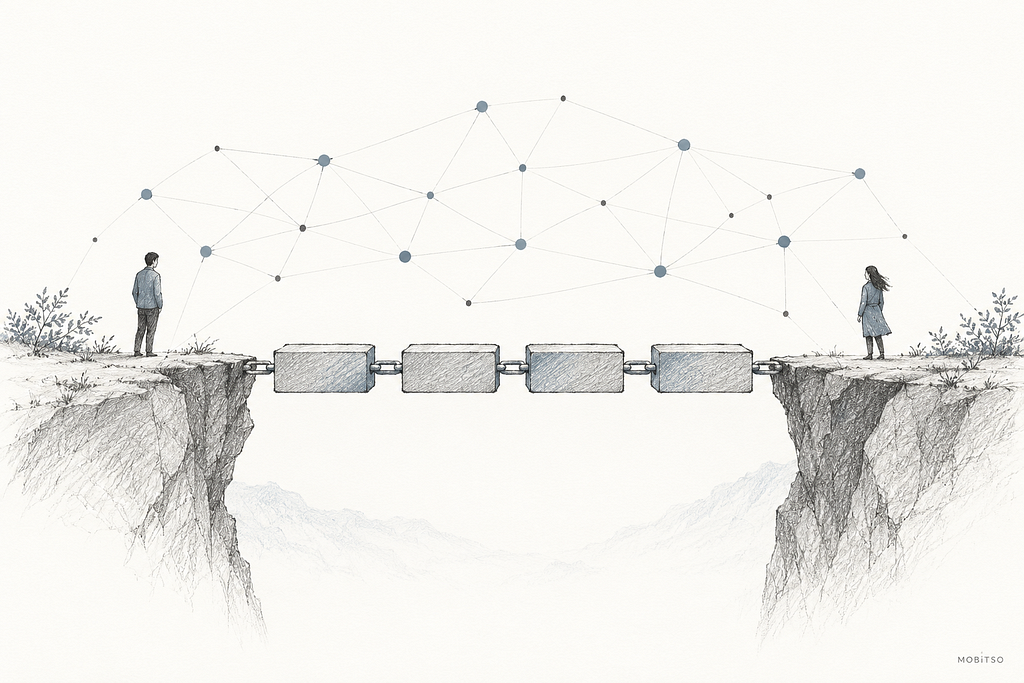
Blockchain provides an alternative way of coordinating trust. Rather than a single organization maintaining the authoritative record, a network of participants can maintain a shared ledger. The transactions are verified according to common rules and once they are confirmed, it is hard to change the record. Trust here shifts from a single record goalkeeper to a process that participants can observe and verify.
That change can allow cooperation among people who may not know each other and who may not share the same institutions. A payment can be verified independently of a bank’s internal database. A digital asset can be transferred but the rules are visible on the network. Sometimes, intelligent contracts can also automatically execute an agreement, when conditions are met.
But blockchain doesn’t do away with trust. People still depend on the developers who write the software, the communities who maintain the network, and the sources who provide information from outside it. Users also need to trust their wallets, secure their keys, and understand the rules they are using. Transparency may help scrutiny of some risks but cannot on its own guaranty fair dealing or good judgment.
The deeper change is that blockchain can make trust more granular. Rather than trusting an institution per se, people may be able to check specific things: whether a transaction was recorded, whether a rule was followed, whether an asset was transferred. Trust looks less like a single promise and more like a set of claims you can check.
The lasting contribution of blockchain might be a world not without trust. It could be a world where trust is shared and visible and open to verification.
Blockchain and the Changing Meaning of Trust was originally published in Coinmonks on Medium, where people are continuing the conversation by highlighting and responding to this story.