
It was a typical Friday evening when I first stumbled into the world of crypto wallets though at the time
Generative AI
I had no idea how transformative that little discovery would be. I had been reading about cryptocurrencies for months, intrigued by the idea of decentralized finance, but still a bit skeptical. The thought of storing my digital assets somewhere “safe” felt nebulous, like trusting a cloud to hold something precious yet invisible.
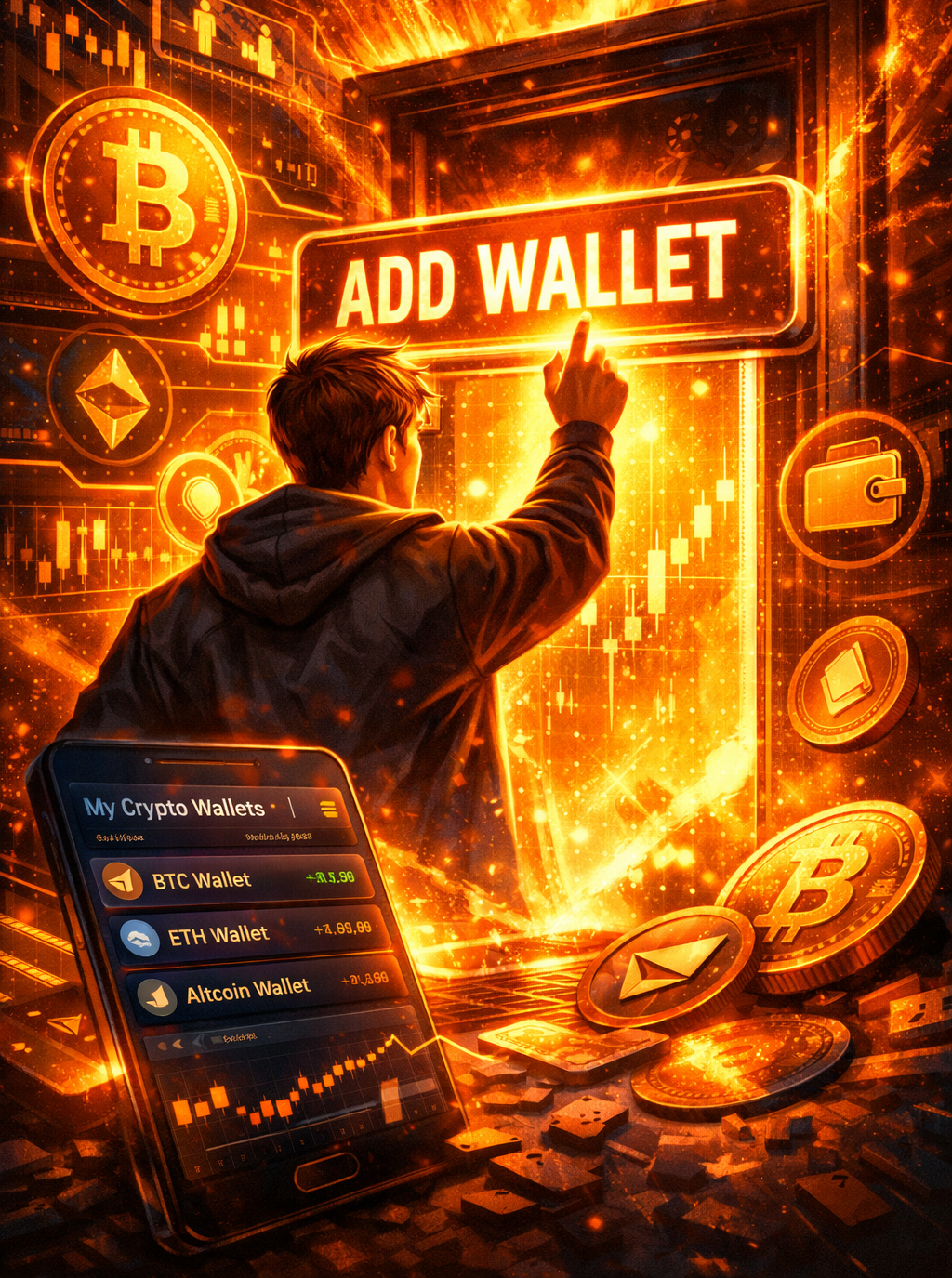
That night, I decided to take the plunge. I opened an account on a popular crypto exchange, one I had only vaguely researched. After the standard verification steps, I finally reached the dashboard the heart of my soon-to-be crypto universe. Everything seemed overwhelming: Bitcoin, Ethereum, altcoins I couldn’t pronounce, and a blinking notification that said, “Add Wallet.”
Curiosity got the better of me. I clicked it.
What happened next felt like discovering a hidden door in a familiar room. The wallet add feature wasn’t just a functional button it was a gateway to autonomy over my digital finances. I could now connect, manage, and even customize my wallets directly on the exchange, without juggling multiple apps or risking exposure to untrusted sources. It was seamless. It was empowering. And, to be honest, it was exhilarating.
As I explored further, I realized that adding a wallet wasn’t merely about convenience it was about security. Each wallet had its unique address, encryption, and recovery options. The exchange even allowed me to label wallets, set notifications for transactions, and view historical data in real-time. Suddenly, the abstract concept of “crypto ownership” felt tangible. My coins weren’t just numbers on a screen they were mine, safely stored yet fully accessible.
Then came the real test: sending my first crypto transfer. My friend, an early crypto enthusiast, challenged me to send him a small amount of Bitcoin as a friendly experiment. My hands trembled slightly as I entered his wallet address and confirmed the transaction. Within minutes, his phone buzzed. He had received the coins. Just like that, the digital world felt astonishingly real. I laughed with relief, partly at my success, partly at the absurdity of the fact that I now owned a slice of a global financial network, with the power to move it anywhere.
Over the next few weeks, my “Add Wallet” feature became my playground. I explored multiple cryptocurrencies, experimented with staking, and even tested cross-chain transactions. Each wallet I added felt like unlocking a new level in a game, each with its own quirks, security measures, and potential. And yet, what impressed me most was how the exchange had simplified this complexity. Features that once felt intimidating like managing private keys or generating QR codes for payments were now intuitive and user-friendly.
But beyond the personal thrill, there was a bigger realization: the crypto exchange wallet add feature wasn’t just about tech; it was about trust. In a decentralized world, trust is currency. By giving users control over their wallets while ensuring top-notch security and transparency, exchanges are building bridges between traditional finance and the new digital economy. Every time I added a wallet, I was not just storing crypto; I was participating in a movement redefining how money works.
One night, I found myself reflecting on how far the technology had come. Just a decade ago, setting up a crypto wallet required technical know-how, patience, and sometimes a willingness to take risks. Today, a few clicks could secure your assets and open doors to opportunities that were unimaginable for most people. For someone like me, who once hesitated at the edge of the crypto world, this accessibility was revolutionary.
My journey with wallets has taught me something fundamental: crypto isn’t just about coins or speculation it’s about empowerment. By simplifying wallet management, exchanges are giving everyone, from casual users to seasoned investors, the tools to navigate the financial landscape on their own terms. And in a world increasingly dominated by digital transactions, that autonomy is priceless.
So next time you see a simple button labeled “Add Wallet”, remember it’s more than functionality. It’s a doorway. A chance to take control, explore, and maybe, like me, discover a little thrill in the possibilities that lie beyond. The future of finance isn’t coming it’s already in your hands. And with the right tools, it’s as exciting, secure, and empowering as you dare to make it.
The Day I Accidentally Discovered the Future of Crypto Wallets was originally published in Coinmonks on Medium, where people are continuing the conversation by highlighting and responding to this story.