
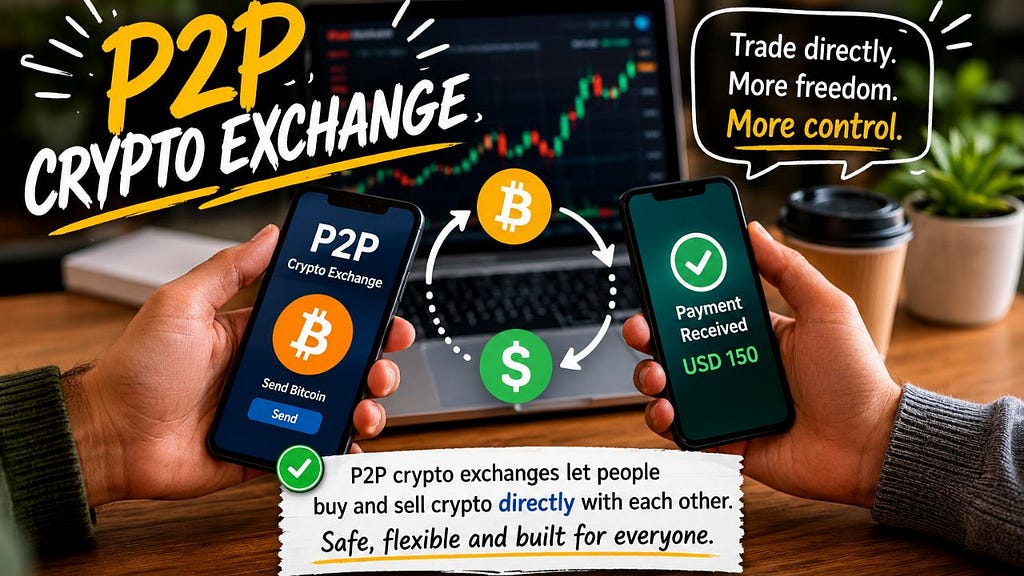
Instant transactions, borderless commerce, and digital innovation are turning peer-to-peer payments into a cornerstone of the modern financial ecosystem.
Peer-to-peer (P2P) payments have evolved from being a convenient way to split a restaurant bill into one of the most influential forces shaping modern finance. What once seemed like a simple digital alternative to cash has grown into a global movement that is transforming how individuals, businesses, and even entire economies exchange value. As digital adoption accelerates and consumers demand faster, more flexible financial services, P2P payment infrastructure is becoming an essential part of everyday life rather than an optional convenience.
The success of P2P payments lies in their simplicity. Instead of relying on lengthy banking procedures or complex transfer systems, users can send and receive money instantly through digital platforms. This seamless experience has changed consumer expectations. Today, speed is no longer viewed as a premium feature it is the standard. Whether paying a freelancer, reimbursing a friend, supporting family members abroad, or settling invoices with business partners, people increasingly expect transactions to happen in real time.
Businesses are also recognizing the broader opportunities created by P2P ecosystems. Small and medium-sized enterprises, digital marketplaces, gig economy platforms, and e-commerce companies are integrating peer-to-peer payment capabilities to improve customer experiences and accelerate cash flow. Faster settlements reduce operational friction, improve liquidity, and allow businesses to focus more on growth than administrative processes. In highly competitive markets, these efficiencies can become meaningful advantages.
Cross-border payments are another area where P2P technology is making a noticeable impact. International money transfers have traditionally been associated with high fees, long settlement times, and multiple intermediaries. Modern P2P infrastructure is helping simplify these transactions by introducing faster payment rails, digital wallets, and alternative settlement models. While regulatory requirements remain essential, advances in financial technology are steadily reducing barriers that once made global transfers slow and expensive.
One of the most meaningful contributions of P2P finance is its role in expanding financial inclusion. Millions of people around the world have access to smartphones but limited access to traditional banking services. Digital payment platforms provide an entry point into the financial system without requiring extensive physical infrastructure. For entrepreneurs, freelancers, remote workers, and individuals in underserved regions, the ability to receive payments quickly can create new economic opportunities and encourage broader participation in the digital economy.
The rise of embedded finance has further accelerated P2P adoption. Consumers no longer expect financial services to exist only inside banking applications. Instead, payment functionality is increasingly integrated into marketplaces, ride-hailing apps, social commerce platforms, creator ecosystems, and digital communities. Users can send, receive, or request payments without leaving the platforms they already use every day. This shift makes financial transactions feel less like standalone banking activities and more like a natural part of digital interactions.
Technology has also strengthened the security and reliability of P2P payments. Artificial intelligence assists in identifying suspicious transaction patterns, while modern identity verification and fraud prevention systems help reduce financial crime. At the same time, regulatory frameworks continue evolving to balance innovation with consumer protection. Successful P2P platforms understand that trust is built not only through speed but also through transparency, compliance, and responsible risk management.
Despite impressive growth, P2P payments are not designed to replace traditional banks. Instead, they complement the existing financial ecosystem. Banks continue to play vital roles in safeguarding deposits, providing credit, managing regulatory obligations, and supporting broader financial stability. Increasingly, financial institutions are partnering with fintech companies rather than competing directly with them. These collaborations combine the agility of technology providers with the trust and regulatory expertise of established institutions, creating stronger financial experiences for end users.
Looking ahead, peer-to-peer payments are likely to become even more interconnected with emerging technologies. Open banking, programmable payments, digital identity solutions, blockchain infrastructure, and real-time settlement networks are expanding what P2P platforms can deliver. Consumers will increasingly expect financial services that are faster, more personalized, and available wherever digital interactions take place. Businesses that invest in flexible payment infrastructure today will be better positioned to meet these expectations tomorrow.
The story of P2P payments is not simply about moving money faster. It reflects a broader transformation in how financial services are designed, delivered, and experienced. Convenience, accessibility, and seamless digital experiences have become central to modern finance. As technology continues to evolve, peer-to-peer payments will remain an important building block of the next generation of financial infrastructure, helping connect people, businesses, and economies with greater speed and efficiency than ever before.
The future of finance will not be defined by a single innovation but by the ability to make financial interactions feel effortless. Peer-to-peer payments have already demonstrated that when technology removes friction from everyday transactions, it creates value far beyond the payment itself. That quiet transformation is well underway, and its influence will continue to shape the financial landscape for years to come.
P2P Payments Are Changing Finance Faster Than Most People Realize was originally published in Coinmonks on Medium, where people are continuing the conversation by highlighting and responding to this story.