
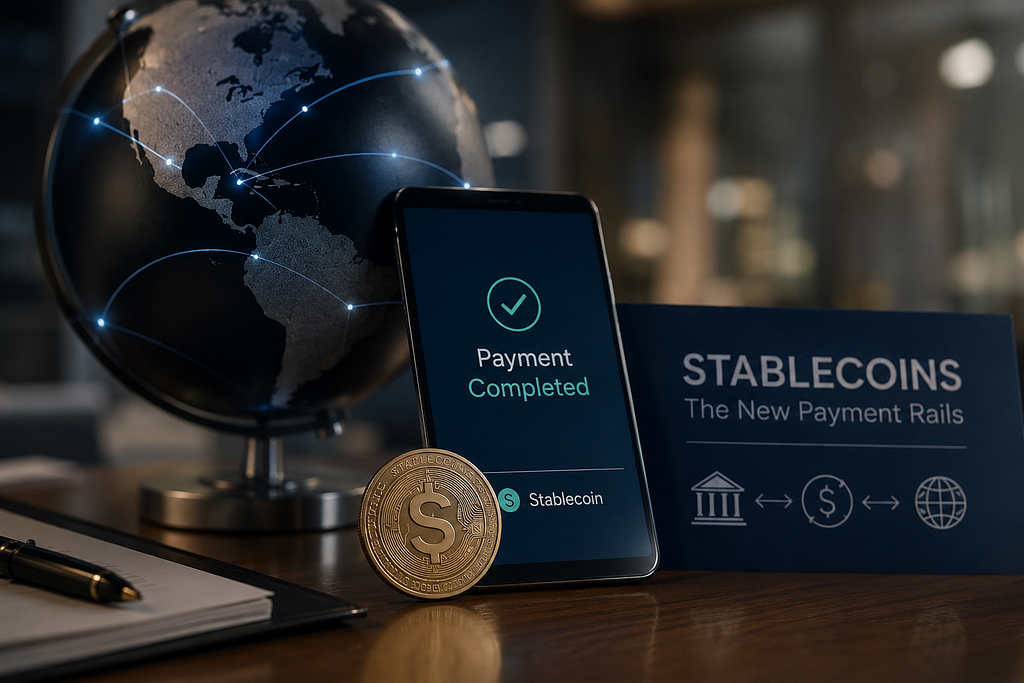
A once-small idea in cryptocurrency now quietly shapes how cash moves quicker, leaner, running nonstop. Speed meets low cost, powered by systems that never pause.
Years passed. Stablecoins sat oddly between worlds. Not trusted by old-school banks because of their crypto links still, they solved real problems. Attention went to Bitcoin’s wild jumps and traders chasing gains. Meanwhile, these coins built a quiet name for themselves. One strength stood out clearly: shifting cash fast from country to country.
Now, that soft background hum grows louder. It shifts shape slowly. What once stayed hidden begins to take up space. Its presence expands without rushing. This change feels steady. Not forced. Just unfolding like any natural shift does.
Big banks, money transfer services, tech startups, and major international finance players now plug stablecoins into their main operations. Once seen as outside the norm, digital cash networks are getting tested inside standard banking setups. Not excitement or wild guesses pull this change forward. A clear fact pushes it today’s transactions outpace old-school payment methods every time.
Even now, while messages zip around the world in moments, cash crawls behind by days. Sending funds overseas? It usually bounces through layers of banks, each adding time and fees along the way. Settlements pause for holidays, wait on middlemen, wrestle with currency swaps. What begins Monday might land Thursday or later. When teams span countries paying staff, settling invoices, moving goods that lag piles up stress and expense. Speed matters more when distance stretches everything out.
Midnight. A stablecoin moves just the same as at noon. Running on blockchains, these transfers ignore calendars, ignoring weekends like they’re nothing. Banks close? Doesn’t matter here. No pauses. No layers of approval dragging their feet. Money slips through instantly, no asking permission. This system stays awake while everything else sleeps. Speed builds naturally when rules get stripped away.
Right now, banks are starting to look much harder at this. Not because they aim to turn into crypto firms that idea misses the point entirely. Efficiency in payments is what drives their interest.
With stablecoin networks, settling transactions could speed up noticeably. Money movement gets smoother. Handling cash reserves becomes sharper. Costs linked to daily operations tend to shrink. Moving money across borders gains room to breathe. As demands grow for outdated systems to finally change, advantages like these start feeling hard to set aside.
Payments firms see the chance just as strong. Speed runs through this business like wiring. Not every middle player helps things move smoother. Delays pile up when transfers stall. Cash gets stuck where it should flow. Fees eat into profit a little each time. One way to tackle those issues? Stablecoins offer a straightforward fix.
Not just theory anymore businesses sending money across borders now see them as reliable. Even family transfers overseas start looking smoother with this setup. Global buying and selling finds a new path through these digital channels.
One odd thing about this shift? Most folks might not even spot it. Like how hardly anyone considers the hidden machinery card networks, banks, payment handlers that make tap-to-pay work smoothly. Down the line, stablecoins could run quietly under everyday finance without users realizing. Speedier transfers. Smoother clearings. Global money moves that just feel easier. All happening out of sight.
Hidden from view, a quiet scramble has begun. Banks pour money into digital wallets while also backing blockchain-based payments alongside strict rule-following setups. Settlement tech gets upgrades at the same time new banking backbones take shape systems ready for stablecoins. Winning isn’t tied to unveiling another coin anymore. What matters now sits beneath, the pathways shaping how money moves across borders for years ahead.
Now things are shifting faster because of new rules. Hesitation once slowed big players down they were unsure how laws might treat digital money.
chatgpt Created Image
Clearer paths have started appearing lately, shaped by officials across continents who now define what counts for stablecoins and online transactions. Even with hurdles still in place, knowing where boundaries stand helps financial groups take real steps instead of just testing ideas.
This moment stands out because it shows how views are changing.
Not just seen as tools for investing or trading anymore. Now people treat stablecoins like building blocks for systems. Talk shifts from guessing value to actual uses. Focus drifts from digital currency hype toward moving money.
Money’s next chapter probably won’t hinge on banks versus blockchains. It might actually grow where the two meet. Trust, rules, and long-standing clients that’s what banks offer. Meanwhile, stablecoins deliver quick transfers, adaptability, across borders without delay. Their joining could shape finance that keeps up with today’s world.
One day, folks might glance at their accounts and find cash already there no waiting. Behind those moments, hidden systems hum without credit or fanfare.
A transfer happens not because of magic but quiet upgrades most ignore. Speed becomes normal when delays fade into memory. Companies shift gears smoothly, fueled by background changes few observe. Distance stops mattering as much when money flows like water between countries. The tech itself stays invisible; only results spark attention.
Maybe it’s already happening stable coins slipping into daily life not with a shout, but by fading into the background. Their presence felt most strongly when no one points them out anymore. A quiet shift, unnoticed until it’s just how things work.
Banks Shift Global Payments Using Stablecoins was originally published in Coinmonks on Medium, where people are continuing the conversation by highlighting and responding to this story.