
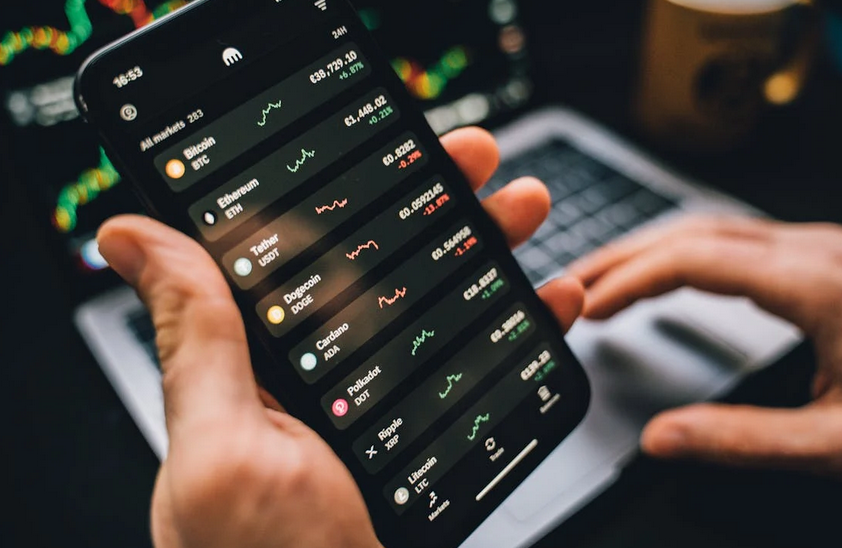
Blowing a trading account is one of the fastest ways to lose confidence, capital, and motivation. For most traders, it’s rarely a single catastrophic trade that destroys an account — it’s a series of small mistakes that compound over time. Understanding why accounts get blown and how to prevent it is essential for anyone serious about long-term success in trading.
This guide dives deep into the psychology, practical risk management, and discipline strategies that keep professional traders in the game while beginners often fail.
Why Accounts Get Blown
Account blowups usually happen due to a combination of emotional and practical errors. Common causes include:
Overleveraging — Taking positions that are too large relative to account size.Ignoring risk management — Skipping stop-losses or risking too much per trade.Revenge trading — Chasing losses emotionally.Lack of discipline — Entering trades that don’t meet your strategy criteria.Trading without a plan — Acting on impulses rather than a defined system.
Even experienced traders can blow accounts when emotions override rules. Recognizing these triggers is the first step toward prevention.
The 1% Rule: Protect Your Capital
One of the most effective tools to prevent account blowups is the 1% rule: risk no more than 1% of your total account on a single trade.
Why It Works
Limits drawdowns — Multiple losing trades won’t destroy your account.Reduces emotional stress — Smaller losses are easier to accept, preventing panic or revenge trading.Supports compounding — Small, controlled gains grow steadily over time.
For example:
A $10,000 account risking 1% per trade = $100 maximum loss per tradeFive consecutive losing trades = $500 loss → only 5% drawdownTen consecutive losing trades = $1,000 loss → only 10% drawdown
Compare that with risking 5% per trade, where five losses would wipe out 25% of your account — and recovery becomes much harder.
Master Emotional Control
Emotions are at the heart of account blowups. Two are particularly destructive:
Fear — Leads to missed opportunities or premature exits.Greed — Leads to oversized positions or chasing low-probability trades.
Strategies to maintain emotional control:
Follow your trading plan without exceptionsStick to pre-defined stop-loss levelsAvoid impulsive trades after wins or lossesAccept losses as part of the process
Emotional discipline ensures that decisions are based on strategy, not impulses.
Avoid Overtrading
Overtrading is a common path to account blowups. It occurs when traders:
Enter trades outside of their strategyTake low-quality setups due to boredom or FOMOTry to “make back” lost money
Consequences of overtrading:
Increased transaction costsLarger drawdownsHigher likelihood of emotional mistakes
The solution is simple: focus on quality over quantity. Wait for high-probability setups that align with your plan.
Stick to a Trading Plan
A robust trading plan includes:
Defined entry and exit rulesRisk per trade limitsStop-loss and take-profit levelsGuidelines for trade selection and strategy adherence
Consistency is key. Traders who follow a plan avoid impulsive, high-risk decisions that lead to account blowups.
Funded Trading Rules and Discipline
For traders using funded accounts , discipline is critical:
Maximum daily drawdown limitsMaximum overall drawdown limitsConsistency requirements
Even a single oversized trade can disqualify you from a challenge. Following strict risk and trading rules ensures survival and potential growth.
Track and Review Your Trades
Keeping a trading journal is essential for identifying behaviors that lead to account blowups. Include:
Trade rationaleEntry, exit, and stop levelsPosition sizeEmotional state before, during, and after the trade
Reviewing your journal highlights patterns of mistakes, emotional triggers, and risk violations. Awareness is the first step to correcting destructive habits.
Practical Steps to Prevent Account Blowups
Set maximum risk per trade — Usually 1% of account equity.Use stop-losses consistently — Never remove or move them impulsively.Implement daily loss limits — Stop trading after reaching a predefined loss for the day.Avoid revenge trading — Don’t chase losses with higher risk trades.Wait for high-probability setups — Trade with an edge, not impulsively.Follow your trading plan — Discipline ensures consistency and survival.
These steps prevent small mistakes from compounding into catastrophic losses.
The Role of Patience
Patience is not just about waiting for setups — it’s about waiting safely. By patiently adhering to your strategy and risk rules:
You avoid impulsive trades that increase drawdownYou protect your capital for when the right opportunity arisesYou reduce emotional stress and improve decision-making
Mastering patience separates professional traders from those who blow accounts quickly.
Real-World Examples
Example 1: Forex — EURUSD
A trader risks 1% per trade and waits for a clear breakout confirmation. The trade hits the stop-loss, but the account loses only 1%, keeping the trader calm and ready for the next setup.
Example 2: Crypto — BTCUSD
Impulsive trading without a stop-loss leads to a 7% account loss in one volatile spike. Using proper risk management, the same trade could have been limited to 1% and avoided emotional stress.
Example 3: Indices — SP500
Overtrading during a sideways market results in multiple small losses that compound. A patient trader skips these trades, preserving capital and waiting for the next clear opportunity.
These examples show that survival comes from discipline, risk control, and patience, not luck or perfect predictions.
Psychological Techniques to Stay Disciplined
Pre-Trade Checklist — Confirm that all entry criteria, risk parameters, and stop-loss levels are met.Mindful Observation — Spend time observing the market without trading; focus on patterns, not impulsive action.Loss Visualization — Mentally rehearse sitting out losing setups to reduce anxiety and reinforce patience.Structured Breaks — Step away during low-activity periods to prevent boredom-driven impulsivity.
These techniques train the mind to tolerate inactivity and act only when conditions are favorable.
Long-Term Benefits of Discipline
Adhering to these principles ensures:
Account survivability — Avoiding catastrophic lossesSteady compounding — Small, controlled gains accumulate over timeEmotional stability — Fewer impulsive trades and lower stressConsistency — Executing a strategy with an edge becomes repeatable
Traders who master these habits consistently outperform those chasing short-term gains.
Final Thoughts
Blowing trading accounts is rarely caused by a single trade. It’s usually the cumulative effect of poor risk management, emotional reactions, and impulsive trading.
To stop blowing accounts:
Follow the 1% rule and strict risk limitsMaintain emotional disciplineAvoid overtrading and revenge tradesStick to a well-defined trading planBe patient and wait for high-probability setups
Survival in trading is the first step to profitability. Protect your account, control your emotions, and trade with discipline — everything else follows naturally.
How to Stop Blowing Trading Accounts was originally published in Coinmonks on Medium, where people are continuing the conversation by highlighting and responding to this story.