
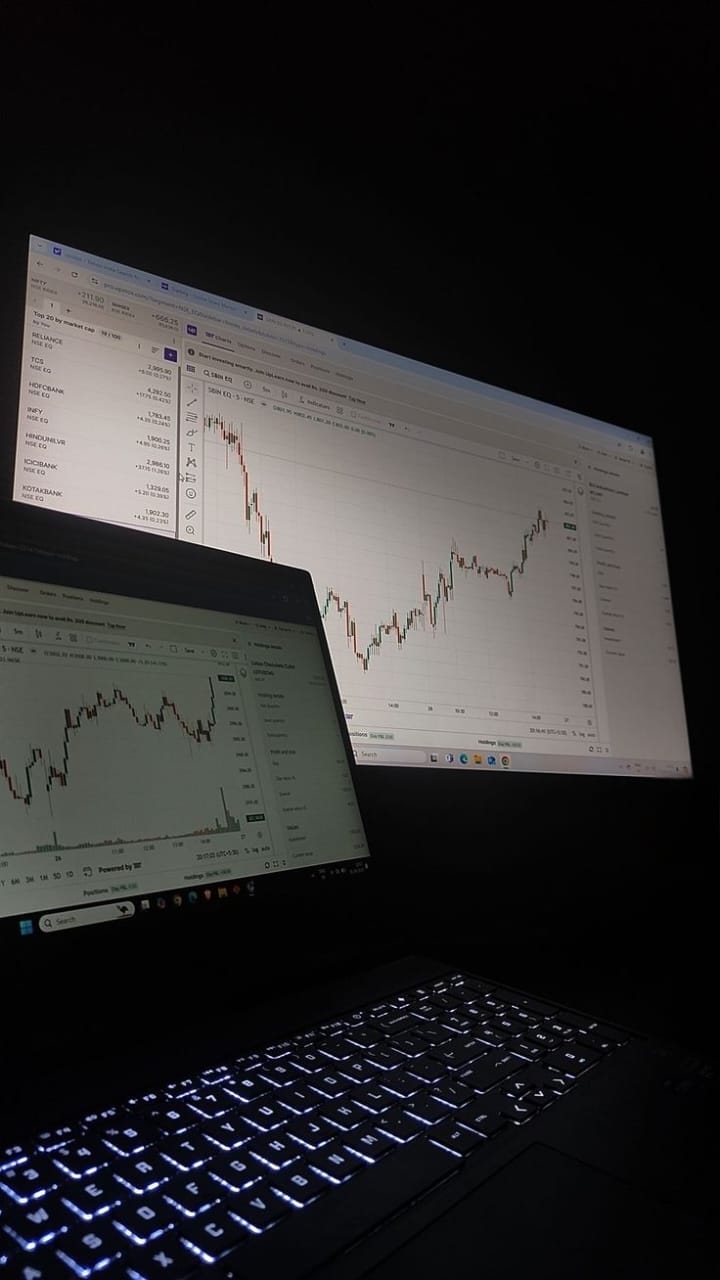
After a sharp market drop, most conversations focus on price.
But experienced investors focus on structure.
Because price tells you what happened.
Structure tells you what’s likely to happen next.
Right now, the crypto market is transitioning — not collapsing.
Phase 1: Distribution and Excess Are Gone
Before most major drops, the market shows similar traits:
Overleveraged positionsExcessive optimismWeak hands entering latePrice moving faster than fundamentals
The recent downward move flushed this out.
Liquidations remove forced buyers and sellers from the system.
This is painful — but necessary.
Markets can’t build sustainably on leverage alone.
Phase 2: Volatility Compression Begins
After the initial sell-off, volatility typically contracts.
You’ll notice:
Smaller daily price rangesChoppy, directionless movementFalse breakouts in both directions
This confuses most investors.
But technically, this phase is about balance.
Buyers and sellers are recalibrating expectations.
Phase 3: Liquidity Gets Rebuilt Quietly
Liquidity doesn’t disappear forever — it relocates.
During this phase:
Order books thickenSmart capital accumulates slowlyWeak narratives fadeStrong assets stabilize relative to the market
This is where relative strength matters more than absolute price.
What falls less during drawdowns often leads later.
Why Breakouts Rarely Happen Immediately
Markets don’t go from panic to trend overnight.
Before a real move, you usually see:
Range-bound price actionFailed rallies that reset expectationsLow participation
This is a re-accumulation zone, even if it doesn’t look like one emotionally.
Those waiting for confirmation often arrive late.
Key Technical Mistake Investors Will Make Now
Most people will:
Overtrade the rangeTry to catch exact bottomsReact to every minor move
Technically, this is inefficient.
The edge during this phase isn’t precision — it’s positioning over time.
How Experienced Investors Approach This Phase
Instead of prediction, they focus on:
Scaling entriesMaintaining liquidityManaging exposure by probabilityReducing decision frequency
They assume volatility will return — just not on demand.
That assumption shapes everything.
Why Structure Beats Skill Right Now
Technical phases like this punish emotional skill and reward systematic behaviour.
A structured portfolio approach:
Anticipates drawdownsAccounts for extended consolidationAvoids unnecessary churnKeeps capital ready for expansion phases
You don’t need to guess the exact breakout candle.
You need to still be positioned when it happens.
A Realistic Technical Outlook
The market is currently deciding who deserves to stay.
Not through price explosions —
but through boredom, uncertainty, and discipline tests.
Most participants leave here.
That’s not an accident.
Final Technical Perspective
Strong trends are born from quiet markets, not loud ones.
This phase doesn’t reward excitement.
It rewards patience, capital preservation, and structured exposure.
The question isn’t whether volatility returns.
It’s whether you’ll still be here — and positioned — when it does.
Disclaimer
This article is not financial advice. It reflects personal research, observation, and general market behaviour. Always do your own due diligence and assess your risk tolerance.
About the Author
Crypto Push Market focuses on structured crypto investing, long-term positioning, and risk-aware portfolio management. We help investors navigate market cycles by operating within systems designed for consistency.
After the Downturn, What Usually Comes Next in the Market was originally published in Coinmonks on Medium, where people are continuing the conversation by highlighting and responding to this story.