
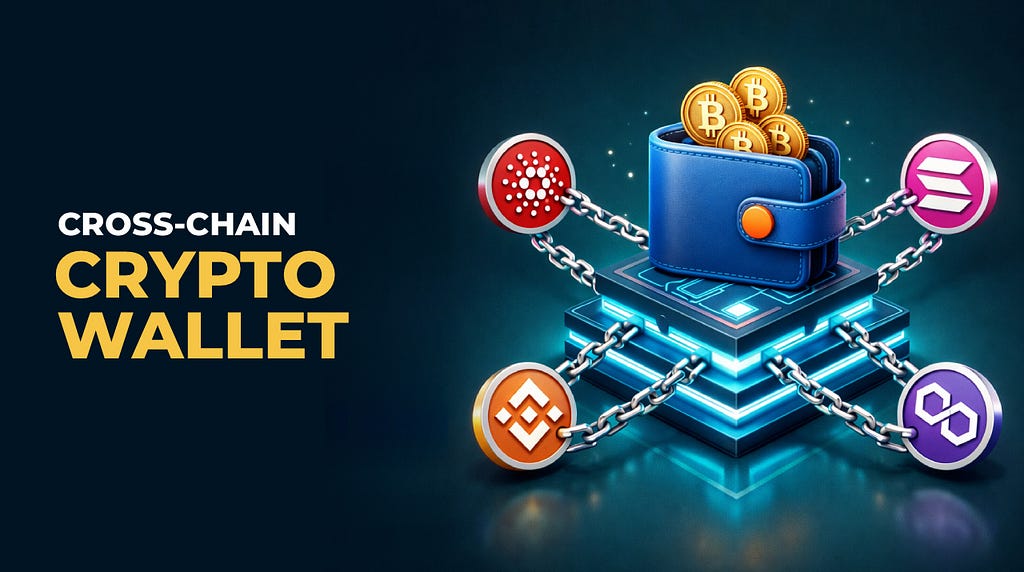
Why Businesses Are Adopting Cross-Chain Crypto Wallets in 2026
The blockchain ecosystem is evolving at an unprecedented pace. Multiple chains, decentralized finance (DeFi) platforms, non-fungible token (NFT) marketplaces, and tokenized assets have created a diverse and complex landscape for businesses to navigate. While this growth presents tremendous opportunities, it also introduces challenges, particularly in managing assets across multiple blockchain networks. Businesses that operate in crypto, finance, or digital asset sectors often find themselves juggling numerous wallets, each tied to a specific blockchain, which leads to inefficiencies and operational complexity.
In response to this challenge, cross-chain crypto wallets are emerging as a transformative solution. These wallets allow businesses to manage assets across multiple blockchains seamlessly, facilitating interoperability, enhancing liquidity management, and simplifying user interactions. By consolidating asset management, cross-chain wallets empower businesses to focus on growth, innovation, and customer engagement rather than technical fragmentation.
This blog explores why businesses are increasingly adopting cross-chain crypto wallets in 2026. It offers insights for business owners, enterprise CTOs, and crypto product teams looking to understand the benefits, core features, technology, and practical use cases driving this shift.
What Is a Cross-Chain Crypto Wallet?
A cross-chain crypto wallet is a digital wallet designed to support multiple blockchain networks. Unlike traditional wallets that are often limited to a single chain, cross-chain wallets allow users and businesses to manage, store, and transfer assets across different blockchain ecosystems. They provide a unified interface for handling digital assets, enabling interoperability between networks without the need for multiple separate wallets.
How It Differs from Traditional Wallets
Traditional wallets, such as Ethereum wallets, are limited in functionality, allowing only the storage and transfer of assets native to a single blockchain. In contrast, cross-chain wallets integrate multiple networks, including Ethereum, BNB Chain, Polygon, Solana, Avalanche, and others. This capability reduces fragmentation and allows businesses to manage diverse portfolios with a single tool.
Core Capabilities
Cross-chain wallets offer several critical features:
Multi-chain balance visibility: View assets across all supported blockchains in one interface.
Cross-chain swaps: Enable seamless transfers of tokens between chains, often without intermediaries.
Interoperability with dApps: Connect and interact with decentralized applications across multiple networks, enhancing business operations and user engagement.
By combining these capabilities, cross-chain wallets provide businesses with operational efficiency, improved liquidity management, and the flexibility to navigate the multi-chain blockchain ecosystem.
The Big Shift: From Single-Chain to Cross-Chain
Rise of Multiple Blockchain Ecosystems
The growth of blockchain technology has given rise to multiple ecosystems. Ethereum remains a leader in smart contracts and DeFi, but chains like BNB, Solana, Polygon, and Avalanche have gained traction due to faster transactions and lower fees. Each chain has its strengths, but the fragmentation presents a challenge for businesses managing digital assets across platforms.
Fragmentation Problems
Businesses face several issues with single-chain operations:
Asset silos: Funds and tokens are locked within individual chains, reducing flexibility.
Multiple wallet management: Organizations must maintain separate wallets for different chains, increasing administrative overhead.
User friction: End-users experience complex processes when moving assets across networks.
Need for Unified Crypto Asset Management
Cross-chain wallets address these challenges by providing a unified solution. Businesses can manage all assets in one platform, reducing operational complexity and minimizing errors. Unified wallets also enable smoother integration with DeFi protocols, NFT platforms, and enterprise blockchain applications, allowing organizations to leverage multiple chains without increasing management overhead.
The shift from single-chain to cross-chain wallets reflects the growing need for interoperability and efficiency in multi-chain business operations, positioning cross-chain wallets as essential tools in 2026.
Key Business Drivers for Cross-Chain Wallet Adoption
Interoperability Across Blockchains
Cross-chain wallets allow businesses to connect users and platforms across multiple networks. Seamless asset transfers reduce dependency on centralized exchanges or manual bridging, improving operational efficiency and user experience.
Simplified Asset Management
Managing multiple assets across chains from a single dashboard reduces administrative burden. Businesses can consolidate holdings, track balances, and execute transactions efficiently without juggling separate wallets.
Enhanced User Experience (UX)
A smooth, unified wallet interface attracts and retains users by simplifying crypto interactions. Businesses offering easy cross-chain access can improve customer satisfaction and engagement.
Enterprise DeFi and Liquidity Management
Cross-chain wallets empower businesses to optimize liquidity in DeFi platforms. Enterprises can allocate assets to yield farming strategies, participate in multi-chain liquidity pools, and maximize returns while maintaining risk management.
Cost Efficiency and Transaction Optimization
By supporting multiple chains, cross-chain wallets enable businesses to move assets to networks with lower transaction costs. This flexibility reduces gas fees, operational expenses, and transaction latency.
Compliance and Security Expectations
Enterprises require wallets with strong security and compliance frameworks. Cross-chain wallets often provide features such as multi-signature approvals, hardware wallet integrations, and regulatory reporting tools, ensuring that digital asset management meets corporate standards and legal requirements.
These drivers highlight why cross-chain wallets are not just a convenience but a strategic necessity for businesses navigating the multi-chain blockchain environment in 2026.
Core Features Businesses Look For in Cross-Chain Wallets
Multi-Chain Asset Support
Businesses need wallets that support various blockchains to manage diverse digital assets. Multi-chain visibility reduces operational complexity and enables better strategic decision-making.
Cross-Chain Swaps and Bridges
Native swap functionality allows assets to move between chains without relying on third-party exchanges. Integrated bridges enhance liquidity and streamline cross-chain operations.
dApp Integration Across Chains
Cross-chain wallets often support seamless interaction with decentralized applications across multiple networks. This integration enables businesses to access DeFi, NFT marketplaces, and other blockchain services efficiently.
Enterprise-Grade Security
Enterprise wallets prioritize security with features like multi-signature approvals, hardware wallet integration, and secure key management. These measures protect assets from hacks and unauthorized access.
Analytics and Reporting Tools
Businesses benefit from wallets offering transaction tracking, portfolio analytics, and compliance dashboards. These tools enable efficient reporting, auditing, and regulatory compliance.
Custom Branding & SDKs
White-label wallets and SDKs allow enterprises to create branded wallet experiences for their users. This feature is especially important for crypto exchanges, NFT marketplaces, and fintech companies seeking tailored solutions.
By focusing on these features, businesses ensure that cross-chain wallets not only support multi-chain operations but also enhance security, compliance, and user engagement.
Real Business Use Cases for Cross-Chain Wallet Adoption
Crypto Exchanges
Exchanges require multi-chain custody and withdrawal capabilities. Cross-chain wallets allow them to support diverse assets, enabling users to trade across different blockchains seamlessly.
DeFi Platforms
DeFi projects leverage cross-chain wallets for liquidity optimization. Assets can be allocated across multiple networks to maximize yield farming and staking opportunities, enhancing investor returns.
NFT Marketplaces
NFT platforms often operate across chains like Ethereum and Solana. Cross-chain wallets simplify NFT management, allowing creators and collectors to store, transfer, and trade assets efficiently.
Token Issuers & Projects
Token distribution and management across chains are simplified with cross-chain wallets. Projects can execute multi-chain airdrops, manage investor portfolios, and maintain transparency.
Enterprise Finance & Treasury Management
Corporates adopting digital assets need secure treasury tools. Cross-chain wallets enable enterprises to optimize holdings, manage liquidity, and conduct multi-chain asset management from a single interface, streamlining financial operations.
The Tech Behind Cross-Chain Wallets
Interoperability Protocols
Bridges and messaging layers enable assets and data to flow securely between blockchains, ensuring seamless cross-chain transactions.
Atomic Swaps
Atomic swaps allow direct peer-to-peer exchanges of assets across different chains without intermediaries, reducing counterparty risk.
Secure Key Management
Wallets can be custodial (managed by a third party) or non-custodial (controlled by the user). Hardware wallet integrations and multi-sig approvals enhance security for business assets.
Layer 2 Integration
Rollups and sidechains reduce transaction costs and latency, providing faster and cheaper cross-chain operations.
Smart Contract Bridges & Relayers
Smart contracts facilitate trustless transactions between chains. Relayers transmit instructions securely, enabling complex cross-chain interactions without manual intervention.
Adoption Challenges and How They’re Being Solved
Bridging Risks and Security Concerns
Cross-chain bridges have historically been vulnerable to exploits. Formal audits, smart contract verification, and security protocols mitigate these risks.
Regulatory and Compliance Hurdles
Businesses must ensure wallets meet AML/KYC regulations. Modern wallets integrate compliance tools, reporting dashboards, and identity verification features.
UX Complexity for End Users
Multi-chain operations can be confusing. Wallets now feature intuitive UIs, guided workflows, and intelligent suggestions to simplify user experience.
Fragmented Standards
Emerging cross-chain standards and interoperability protocols are aligning ecosystems, making asset transfers more seamless and reducing fragmentation.
Future of Cross-Chain Wallets in Crypto Business
Increased Adoption Across Industries
Finance, gaming, supply chain, and enterprise blockchain solutions are increasingly adopting cross-chain wallets for operational efficiency.
Standardization of Cross-Chain Protocols
Chain-agnostic smart contracts and unified protocols will make cross-chain asset management more seamless and secure.
Integration with Tokenization (RWA, NFTs, Governance Tokens)
One wallet will support a diverse range of assets, including tokenized real-world assets, NFTs, and governance tokens, simplifying corporate crypto management.
AI-Enhanced Wallet Features
AI will automate portfolio management, cross-chain swaps, and yield optimization, providing businesses with intelligent asset management solutions.
How Businesses Can Get Started with Cross-Chain Wallets
Requirements Checklist
Ensure the wallet supports all relevant chains and assets
Confirm security standards meet enterprise expectations
Verify regulatory and compliance readiness
Choosing Between Custodial & Non-Custodial
Custodial wallets offer managed security and convenience, while non-custodial wallets give businesses full control over private keys. Each option has trade-offs between security, compliance, and control.
Partnering With Wallet Developers
Businesses can work with cross-chain wallet providers for white-label solutions, SDKs, and APIs to create custom wallets aligned with corporate needs. Partnering accelerates adoption and reduces development complexity.
Conclusion
Cross-chain crypto wallets have emerged as essential tools for businesses navigating a multi-chain blockchain ecosystem in 2026. By enabling interoperability, simplifying asset management, enhancing user experience, and providing enterprise-grade security, these wallets address key operational challenges for companies in crypto, DeFi, NFT, and enterprise blockchain sectors. Adoption is driven not only by technological capabilities but also by the need for cost efficiency, liquidity optimization, and regulatory compliance.
As businesses continue to expand into multiple blockchain networks, cross-chain wallets will become central to digital asset management strategies. Standardization of cross-chain protocols, AI-powered features, and integration with tokenized assets further enhance their value proposition. Companies that embrace these wallets can streamline operations, reduce complexity, and offer better services to users.
For businesses looking to remain competitive and agile in 2026, adopting cross-chain crypto wallets is no longer optional but a strategic imperative. Partnering with experienced wallet developers and leveraging enterprise-ready solutions can unlock the full potential of multi-chain asset management.
Why Businesses Are Adopting Cross-Chain Crypto Wallets in 2026 was originally published in Coinmonks on Medium, where people are continuing the conversation by highlighting and responding to this story.