
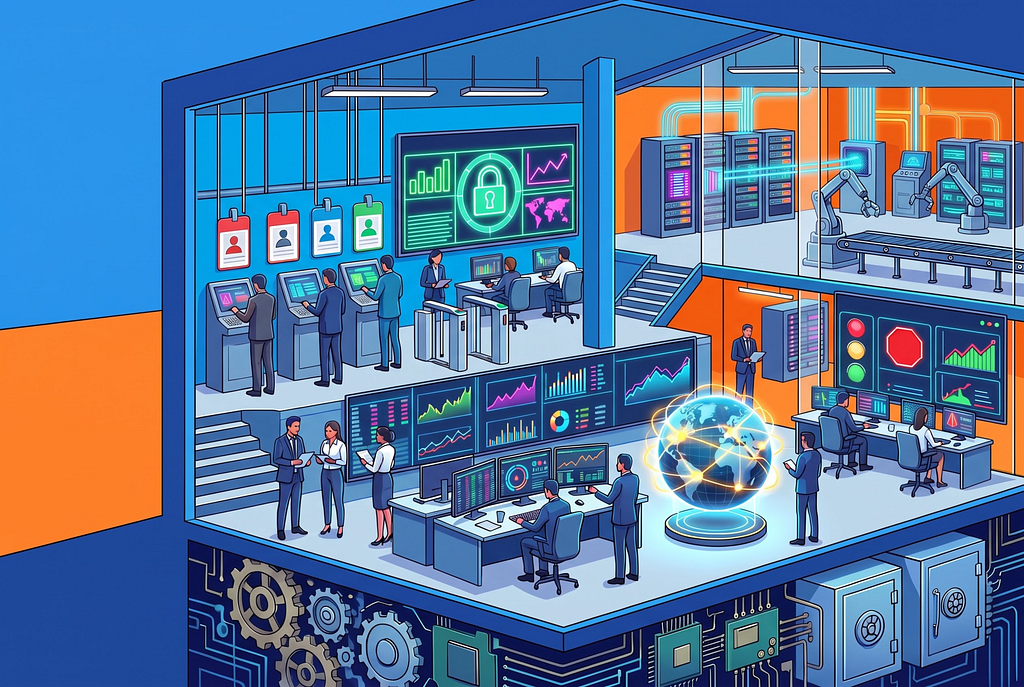
As competition intensifies, the next generation of Web3 platforms will need to compete for attention, not just transactions.
For years, crypto companies focused on one thing:
Growth.
More users.
More trading volume.
More tokens.
More products.
More markets.
The strategy was simple: grow as quickly as possible and capture market share before competitors do.
But the market is entering a different phase.
Today, users can access dozens of exchanges, wallets, payment platforms, DeFi applications, and Web3 products.
The problem is no longer access.
The problem is choice.
And that changes everything.
The User Has More Power Than Before
In the early days of crypto, users had relatively limited options.
If a platform offered enough liquidity and supported the assets they wanted, switching was difficult.
Today, switching costs are much lower.
Users can maintain multiple accounts.
They can move assets between platforms.
They can compare fees.
They can compare interfaces.
They can choose different platforms for different purposes.
This creates a new competitive environment.
The question is no longer:
“How do we get users?”
It is:
“Why should users choose us when they already have ten other options?”
Features Are Becoming Commodities
One of the biggest changes in the market is how quickly features become standard.
A new exchange launches a feature.
Competitors watch it.
The feature gets copied.
Soon, everyone offers something similar.
This creates a feature arms race.
But features alone rarely create long-term loyalty.
Users do not necessarily remain on a platform because it has 100 features.
They stay because the platform consistently makes their lives easier.
The Real Product Is the Experience
Think about the entire user journey.
A customer discovers a platform.
They register.
They complete verification.
They deposit funds.
They make their first transaction.
They contact support.
They withdraw.
Every step creates an impression.
One difficult experience can be enough to make a user leave.
This means user experience is not simply a design issue.
It is a business strategy.
Trust Is No Longer a Marketing Message
Crypto companies often say:
“We are secure.”
“We are reliable.”
“We protect our users.”
But users increasingly expect evidence rather than slogans.
They want to understand:
How their assets are protectedHow withdrawals are processedHow risks are managedHow customer issues are handledHow the platform responds when something goes wrong
In a mature market, trust is built through consistent behavior.
Not advertising.
Specialization Could Become the New Advantage
Not every company needs to build a platform for everyone.
A regional exchange could focus on a specific market.
A platform could focus on professional traders.
Another could focus on institutions.
Another could build around payments.
Another could serve a specific Web3 community.
The advantage comes from understanding a particular group deeply.
In other words:
The future may not belong to platforms that serve everyone.
It may belong to platforms that understand someone extremely well.
Businesses Are Starting to Think Differently
This shift is also changing how companies approach Web3.
Instead of asking:
“How can we launch a crypto product?”
Businesses are increasingly asking:
“Which customer problem can digital assets solve?”
That is a much stronger starting point.
Because successful products are usually built around problems, not technology.
The Next Generation Will Compete on Relevance
Imagine two platforms.
One offers hundreds of products but feels complicated.
Another offers fewer products but perfectly understands its target customers.
Which one wins?
There is no universal answer.
But as the market becomes more crowded, relevance becomes increasingly valuable.
A platform does not need to be everything.
It needs to be important.
The Market Is Moving From Acquisition to Retention
The first phase of crypto growth was about acquisition.
Get users.
Get attention.
Get volume.
The next phase may be about retention.
Keep users.
Increase engagement.
Create recurring utility.
Build long-term relationships.
This requires a different mindset.
Growth is no longer simply a marketing problem.
It is a product problem.
Final Thoughts
The crypto industry has spent years trying to solve the problem of access.
Now it faces a new problem:
Too many choices.
That means the next generation of Web3 companies will need to compete differently.
Not by shouting louder.
Not by adding endless features.
Not simply by chasing more users.
But by becoming more useful.
Because when users have unlimited choices,
the most valuable platform may be the one they have the least reason to leave.
About SoonTech
At SoonTech, we help businesses build customizable digital asset and Web3 platforms designed around specific markets, customer groups, and business models.
#SoonTech #Web3 #Crypto #CryptoExchange #Blockchain #DigitalAssets #FinTech #WhiteLabelExchange
The Crypto Industry Has a New Problem: Users Have More Choices Than Ever was originally published in Coinmonks on Medium, where people are continuing the conversation by highlighting and responding to this story.