
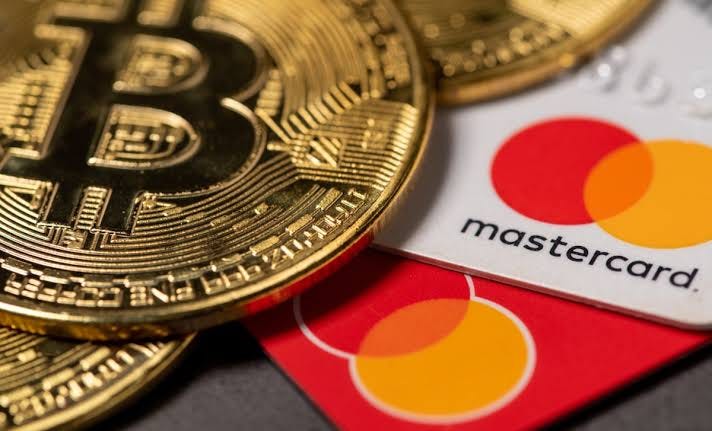
Crypto adoption has grown significantly over the past decade, but everyday spending remains one of the industry’s biggest challenges. The products that succeed aren’t necessarily those with the most users — they’re the ones that become part of users’ daily financial lives.
Millions of people now own digital assets. They trade cryptocurrencies, participate in decentralized finance, and store assets in secure wallets. Yet despite this rapid adoption, one question continues to challenge fintech founders and product teams alike:
Why do so few crypto payment products become part of everyday spending?
The answer isn’t a lack of interest in digital assets. Instead, it’s a product strategy problem.
Many crypto payment platforms are designed to help users acquire, store, or trade assets. Far fewer are designed to make spending those assets feel as simple, secure, and rewarding as using a traditional payment card. As a result, users often return only when markets become volatile or when they want to execute a trade, leaving payment features largely untouched.
For entrepreneurs planning to build the next generation of fintech products, understanding this gap may be one of the most important strategic advantages in the market today.
The Daily Usage Problem Nobody Talks About
Product success isn’t measured by downloads alone. A payment product becomes valuable when users choose it repeatedly without having to think about it.
Traditional payment ecosystems have achieved this over decades by embedding themselves into daily routines — buying groceries, paying subscriptions, booking travel, or purchasing coffee. These interactions happen so naturally that users rarely consider the technology behind them.
Crypto payment products, on the other hand, often struggle to reach the same level of habitual engagement.
This isn’t because blockchain technology lacks potential. It’s because many products are still optimized for ownership rather than utility.
Owning cryptocurrency and using cryptocurrency are fundamentally different user experiences. The first is driven by investment behavior. The second depends on convenience, trust, merchant acceptance, and seamless payment infrastructure.
Bridging that gap is where the next wave of innovation is likely to emerge.
Why Many Crypto Payment Products Lose Momentum After Launch
Launching a payment product is an achievement, but sustaining engagement is an entirely different challenge.
Many platforms experience an initial surge of registrations fueled by marketing campaigns, token incentives, or market enthusiasm. However, usage often declines once the novelty fades because the product hasn’t become essential to the user’s everyday financial routine.
The strongest products aren’t built around one-time transactions. They’re designed to become recurring financial tools that solve practical problems consistently.
For founders, this shift in thinking changes how success should be measured. Instead of focusing solely on registrations or wallet creations, attention should move toward metrics such as transaction frequency, customer retention, and long-term engagement.
1. They Solve Ownership — Not Everyday Utility
One of the most common mistakes is building products that make it easy to acquire digital assets but difficult to use them in real life.
Users may enjoy buying cryptocurrency, but if spending those assets requires multiple steps, manual conversions, or complicated workflows, they naturally return to familiar payment methods.
The most successful payment products reduce this friction by allowing users to move effortlessly between digital assets and everyday purchases. The experience feels intuitive rather than technical, encouraging repeated usage instead of occasional interaction.
For businesses exploring payment innovation, this is where modern White Label Crypto Card infrastructure is becoming increasingly relevant. Rather than creating another wallet, founders are beginning to focus on enabling practical, real-world spending experiences that encourage ongoing customer engagement.
2. The User Experience Still Feels Too Complex
Many crypto payment applications are built for experienced blockchain users rather than the broader market.
Technical terminology, fragmented onboarding processes, confusing transaction flows, and inconsistent interfaces create unnecessary barriers for everyday consumers. Even small moments of friction can discourage repeat usage when traditional payment alternatives are faster and more familiar.
Successful financial products simplify complexity without removing functionality. Users shouldn’t need to understand blockchain architecture, token standards, or settlement mechanisms to complete a purchase.
The best payment experiences are almost invisible. They prioritize speed, clarity, and confidence while allowing the underlying technology to operate quietly in the background.
3. Limited Merchant Acceptance Restricts Everyday Value
A payment product becomes part of a user’s daily routine only when it works wherever the user chooses to spend. While digital asset ownership continues to grow, many crypto payment experiences remain limited by fragmented acceptance, complicated payment flows, or inconsistent merchant support.
For consumers, convenience almost always outweighs innovation. If completing a purchase with cryptocurrency takes longer than using a traditional debit or credit card, most users will naturally choose the faster option.
The platforms seeing stronger engagement are focusing on bridging this gap rather than expecting merchants or customers to change their behavior. By making crypto payments feel familiar and frictionless, they remove one of the biggest barriers to everyday adoption.
4. Weak Incentives Fail to Build Long-Term Habits
People rarely change financial habits without a compelling reason.
Traditional payment providers have spent years encouraging repeat usage through cashback, loyalty rewards, exclusive offers, subscription benefits, and premium experiences. These incentives reinforce customer behavior and create long-term engagement.
Many crypto payment products overlook this entirely.
Owning cryptocurrency may attract users initially, but it rarely motivates daily spending on its own. Products that combine practical utility with meaningful rewards are far more likely to become part of a user’s everyday financial routine rather than remaining an occasional feature inside a crypto application.
Ultimately, successful payment products reward consistent behavior — not just initial adoption.
5. Payment Friction Creates Customer Friction
Every additional step in a payment journey reduces the likelihood of repeat usage.
Manual asset conversions, uncertain exchange rates, slow authorization, delayed settlements, or confusing confirmation processes create hesitation during what should be a simple transaction.
Consumers compare every digital payment experience with the fastest option already available to them.
The most successful crypto payment platforms recognize that blockchain innovation should happen behind the scenes. Users care less about the technology powering a payment and more about whether the payment is completed instantly, securely, and predictably.
The simpler the experience, the stronger the customer retention.
6. Products Without an Ecosystem Rarely Become Financial Platforms
Many crypto payment products operate as standalone features instead of connected financial ecosystems.
However, users increasingly expect financial services to work together seamlessly.
A customer may want to:
Store digital assets securely.Trade cryptocurrencies.Receive payments.Convert between fiat and crypto.Spend digital assets instantly.Monitor transactions in one dashboard.
When these experiences exist across multiple disconnected applications, engagement naturally declines.
The strongest fintech companies build ecosystems rather than isolated products. Each service reinforces the next, increasing customer retention while creating multiple opportunities for users to remain active within a single platform.
7. The Best Products Don’t Just Process Payments — They Build Habits
One of the biggest differences between successful payment platforms and struggling ones is how they define success.
Average products measure registrations.
Great products measure habits.
They monitor transaction frequency, active users, customer lifetime value, repeat purchases, and long-term engagement.
Every product decision is designed around one simple question:
“Will this make customers want to use our platform again tomorrow?”
That mindset shifts product development away from launching features and toward creating lasting financial behaviors.
For founders, this distinction often separates businesses that experience temporary growth from those that build sustainable ecosystems.
The Business Opportunity for Fintech Founders
As digital assets continue moving into mainstream finance, the next competitive advantage won’t come from simply offering cryptocurrency — it will come from making cryptocurrency practical.
Businesses that enable users to spend digital assets as naturally as traditional money will be positioned to serve a rapidly evolving financial landscape.
This opportunity extends far beyond crypto-native startups.
Digital banks, payment providers, fintech platforms, exchanges, loyalty platforms, and embedded finance providers are all exploring ways to integrate digital asset payments into broader customer experiences.
For founders entering this market, success will depend less on introducing another payment product and more on creating a payment experience that customers genuinely choose to use every day.
Conclusion
The crypto industry has already demonstrated that millions of people are willing to own digital assets. The next challenge is ensuring those assets become part of everyday financial life.
The payment products that thrive won’t necessarily have the largest marketing budgets or the widest feature lists. They’ll be the ones that remove friction, create meaningful customer habits, integrate naturally into broader financial ecosystems, and consistently deliver value beyond speculation.
For founders, the opportunity is no longer about launching another crypto product.
It’s about building payment experiences that customers trust enough to use every day.
Because in the next generation of fintech, daily usage — not downloads — will define the market leaders.
Why Most Crypto Payment Products Never Reach Daily Usage (And How the Winners Do) was originally published in Coinmonks on Medium, where people are continuing the conversation by highlighting and responding to this story.