
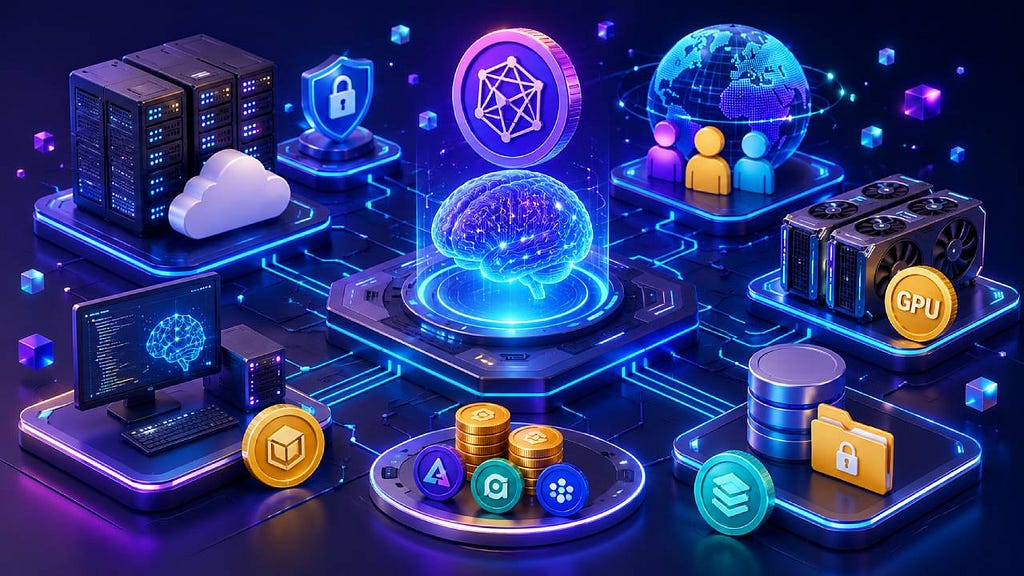
AI Infrastructure Tokens 101: A Complete Beginner’s Guide
The convergence of artificial intelligence (AI) and blockchain technology is creating some of the most exciting opportunities in the digital economy. Among the latest innovations to emerge from this intersection are AI Infrastructure Tokens, a new category of crypto assets designed to power decentralized AI ecosystems.
As demand for AI computing resources, data processing, machine learning models, and decentralized cloud infrastructure continues to grow, AI Infrastructure Tokens are becoming a critical component of the next generation of blockchain-powered AI networks.
In this beginner-friendly guide, we will explore what AI Infrastructure Tokens are, how they work, their benefits, use cases, development process, and why they are attracting significant attention from investors, startups, and enterprises worldwide.
What Are AI Infrastructure Tokens?
AI Infrastructure Tokens are blockchain-based digital assets that support and incentivize decentralized artificial intelligence ecosystems. These tokens are typically used to facilitate transactions, governance, rewards, resource sharing, and access within AI-powered platforms.
Unlike traditional cryptocurrencies that mainly serve as payment mechanisms, AI Infrastructure Tokens provide utility within AI networks by enabling users to contribute and consume computational resources, data, storage, and AI services.
In simple terms, these tokens act as the economic backbone of decentralized AI ecosystems.
For example, a decentralized AI platform may require GPU power to train machine learning models. Contributors who provide computing resources can earn AI Infrastructure Tokens as rewards, while developers spend tokens to access those resources.
The Rise of AI Infrastructure Tokens
Artificial intelligence has rapidly evolved from a niche technology into a global industry worth hundreds of billions of dollars. However, the growing demand for AI introduces several infrastructure challenges:
Limited access to high-performance GPUsExpensive cloud computing servicesCentralized control by large technology companiesData privacy concernsScalability limitationsRestricted access to AI resources
Traditional AI systems rely heavily on centralized cloud providers. This concentration creates bottlenecks and increases operational costs for startups and developers.
Blockchain technology offers an alternative by enabling decentralized networks where users contribute resources and receive token-based incentives.
This is where AI Infrastructure Tokens play a crucial role.
Why AI Infrastructure Tokens Matter
AI Infrastructure Tokens help solve some of the biggest challenges facing the AI industry today.
Democratizing Access to AI
Instead of relying solely on major cloud providers, decentralized AI networks allow individuals and organizations to contribute computing resources.
This approach makes AI infrastructure more accessible and affordable.
Incentivizing Resource Sharing
Token rewards encourage participants to contribute valuable resources such as:
GPU powerCPU powerData storageAI modelsDatasetsNetwork bandwidth
The more resources available, the stronger the ecosystem becomes.
Enhancing Transparency
Blockchain technology records all transactions on an immutable ledger, providing transparency and accountability across AI operations.
Reducing Costs
By utilizing decentralized resources, organizations can potentially reduce the cost of AI model training and deployment.
How AI Infrastructure Tokens Work
To understand AI Infrastructure Tokens, it helps to examine their operational framework.
Step 1: Resource Providers Join the Network
Participants contribute resources such as:
Graphics Processing Units (GPUs)Computing clustersStorage systemsData resources
Step 2: Resources Become Available
The decentralized platform aggregates these resources into a distributed infrastructure marketplace.
Step 3: Developers Access Resources
AI developers, startups, and enterprises access the resources needed for:
Model trainingAI inferenceData processingDeep learning workloads
Step 4: Token-Based Payments
Users pay AI Infrastructure Tokens to utilize network services.
Step 5: Rewards Distribution
Resource providers receive token rewards based on their contributions.
This creates a self-sustaining economic ecosystem.
Core Components of AI Infrastructure Token Ecosystems
AI Infrastructure Token platforms generally consist of several key components.
Decentralized Computing Layer
Provides distributed computational power for AI workloads.
Functions include:
Machine learning trainingNeural network processingAI model deploymentData analytics
Decentralized Storage Layer
Stores datasets and AI models securely across distributed networks.
Benefits include:
Improved securityReduced downtimeGreater scalability
AI Marketplace
Allows users to buy, sell, and access AI resources.
Examples include:
AI modelsTraining datasetsAPIsComputing services
Governance System
Token holders can participate in ecosystem decisions through decentralized governance mechanisms.
Reward Mechanism
Encourages ongoing participation by compensating contributors with tokens.
Types of AI Infrastructure Tokens
AI Infrastructure Tokens can serve different purposes depending on the platform’s objectives.
Utility Tokens
Used for accessing network services and resources.
Common uses include:
Purchasing AI servicesPaying transaction feesAccessing datasets
Governance Tokens
Allow token holders to vote on platform upgrades and strategic decisions.
Governance functions may include:
Protocol modificationsTreasury managementResource allocation
Reward Tokens
Distributed to participants who contribute resources.
Examples include:
GPU providersStorage providersData contributors
Hybrid Tokens
Combine utility, governance, and reward functionalities within a single token.
Major Use Cases of AI Infrastructure Tokens
The versatility of AI Infrastructure Tokens enables numerous applications.
Decentralized GPU Networks
AI model training requires substantial computational resources.
Tokenized GPU marketplaces allow users to rent and share GPU power efficiently.
Benefits
Lower costsGreater availabilityImproved scalability
AI Model Training Platforms
Developers use AI Infrastructure Tokens to access distributed training resources.
Applications include:
Natural language processingComputer visionPredictive analyticsGenerative AI
AI Data Marketplaces
High-quality data is essential for AI development.
Tokenized marketplaces facilitate:
Data sharingDataset monetizationSecure transactions
Decentralized Cloud Computing
AI Infrastructure Tokens can support decentralized cloud platforms that compete with traditional cloud providers.
Advantages include:
Lower infrastructure costsEnhanced resilienceReduced centralization
Edge AI Networks
Edge computing processes data closer to users rather than relying solely on centralized servers.
Token incentives encourage participants to contribute edge computing resources.
Benefits of AI Infrastructure Tokens
Enhanced Scalability
Distributed networks can scale more effectively than centralized systems.
Cost Efficiency
Resource sharing helps reduce operational expenses.
Improved Security
Blockchain-based architectures offer greater transparency and resistance to manipulation.
Global Accessibility
Anyone with internet access can participate in decentralized AI ecosystems.
Community Governance
Token holders influence the platform’s future development.
Resource Optimization
Unused computing resources can be monetized through token incentives.
Challenges Facing AI Infrastructure Tokens
Despite their potential, AI Infrastructure Tokens face several challenges.
Regulatory Uncertainty
Many jurisdictions are still developing regulations for tokenized ecosystems.
Projects must ensure compliance with evolving legal frameworks.
Technical Complexity
Building decentralized AI infrastructure requires expertise in:
Blockchain developmentArtificial intelligenceDistributed systemsCybersecurity
Network Adoption
Success depends on attracting enough users and resource providers.
Competition
The AI infrastructure sector is becoming increasingly competitive as new projects enter the market.
Scalability Constraints
Although decentralized systems offer scalability benefits, maintaining performance across large networks remains a challenge.
AI Infrastructure Tokens vs Traditional AI Infrastructure
AI Infrastructure Tokens vs Traditional AI Infrastructure
This comparison highlights why decentralized AI infrastructure is attracting growing interest across industries.
Industries Benefiting from AI Infrastructure Tokens
Healthcare
AI-powered diagnostics and medical research require massive computational resources.
Decentralized infrastructure can support these workloads more efficiently.
Finance
Financial institutions increasingly use AI for:
Fraud detectionRisk assessmentAlgorithmic trading
Retail
Retail businesses leverage AI for:
Customer personalizationDemand forecastingInventory optimization
Manufacturing
AI supports predictive maintenance and operational efficiency.
Autonomous Vehicles
Self-driving systems require extensive AI model training and real-time processing.
The Role of Blockchain in AI Infrastructure
Blockchain technology serves as the foundation for AI Infrastructure Tokens.
Key functions include:
Smart Contracts
Automate transactions and reward distribution.
Immutable Records
Maintain transparent transaction histories.
Decentralized Governance
Empower communities to manage ecosystem development.
Security
Protect resources and transactions from unauthorized modifications.
How AI Infrastructure Token Development Works
Organizations planning to launch AI Infrastructure Tokens typically follow several stages.
Market Research
Identify target industries and user requirements.
Tokenomics Design
Develop a sustainable economic model.
Considerations include:
Token supplyDistribution strategyIncentive mechanismsUtility functions
Blockchain Selection
Popular blockchain choices include:
EthereumSolanaBNB ChainAvalanchePolygon
Smart Contract Development
Create secure token contracts and ecosystem functionality.
Platform Integration
Connect AI infrastructure with blockchain-based token systems.
Security Audits
Conduct thorough testing to identify vulnerabilities.
Token Launch
Deploy the token and begin ecosystem operations.
Key Features Every AI Infrastructure Token Should Have
Utility-Driven Functionality
The token should serve a genuine purpose within the ecosystem.
Transparent Governance
Users should participate in decision-making processes.
Scalable Architecture
The platform should support increasing demand.
Strong Security Framework
Protect users, data, and infrastructure.
Sustainable Reward Mechanisms
Incentives should encourage long-term participation.
Cross-Platform Compatibility
Interoperability enhances adoption and usability.
Future Trends in AI Infrastructure Tokens
Several trends are expected to shape the future of this sector.
AI and DePIN Integration
Decentralized Physical Infrastructure Networks (DePIN) are increasingly combining with AI ecosystems.
Decentralized GPU Marketplaces
Growing demand for AI processing power will likely drive expansion.
Tokenized AI Services
AI models and services may become fully tokenized and tradable.
Enterprise Adoption
Businesses are beginning to explore decentralized AI solutions for cost savings and flexibility.
AI Agent Economies
Autonomous AI agents may eventually use infrastructure tokens to acquire resources independently.
Why Investors Are Watching AI Infrastructure Tokens
Several factors make AI Infrastructure Tokens attractive investment opportunities.
Exposure to Two Fast-Growing Industries
Investors gain access to both AI and blockchain markets.
Real Utility
Many projects provide practical solutions rather than speculative use cases.
Expanding Market Demand
AI infrastructure needs continue to increase globally.
Long-Term Growth Potential
As AI adoption expands, demand for decentralized resources may grow substantially.
However, investors should always conduct thorough research before participating in any token ecosystem.
Conclusion
AI Infrastructure Tokens represent one of the most promising innovations at the intersection of artificial intelligence and blockchain technology. By enabling decentralized computing, storage, data sharing, and AI resource marketplaces, these tokens create new opportunities for developers, enterprises, and investors alike.
As the demand for AI continues to accelerate, centralized infrastructure providers may struggle to meet growing computational requirements. Decentralized AI networks powered by AI Infrastructure Tokens offer a scalable, transparent, and cost-effective alternative that could reshape how AI resources are distributed and utilized worldwide.
For beginners entering the world of blockchain and artificial intelligence, understanding AI Infrastructure Tokens is becoming increasingly important. Whether you are an entrepreneur planning to launch an AI-powered platform, a developer seeking decentralized resources, or an investor exploring emerging opportunities, AI Infrastructure Tokens provide a compelling glimpse into the future of digital innovation.
As AI and Web3 technologies continue to evolve, AI Infrastructure Tokens are likely to play a significant role in building the decentralized intelligence networks of tomorrow.
AI Infrastructure Tokens 101: A Complete Beginner’s Guide was originally published in Coinmonks on Medium, where people are continuing the conversation by highlighting and responding to this story.