
One Waterway, Trillions at Risk. Why the Strait of Hormuz Could Reshape Global Payments Faster Than AI
From oil tankers to instant settlements, the world’s most important shipping lane is quietly becoming a stress test for fintech, digital banking, and cross-border payments.
Most folks picture oil ships when someone says Strait of Hormuz military standoffs pop up too, along with breaking news alerts lighting up TVs everywhere.
Few fintech founders ever notice what happens next.
Wrong move possibly.
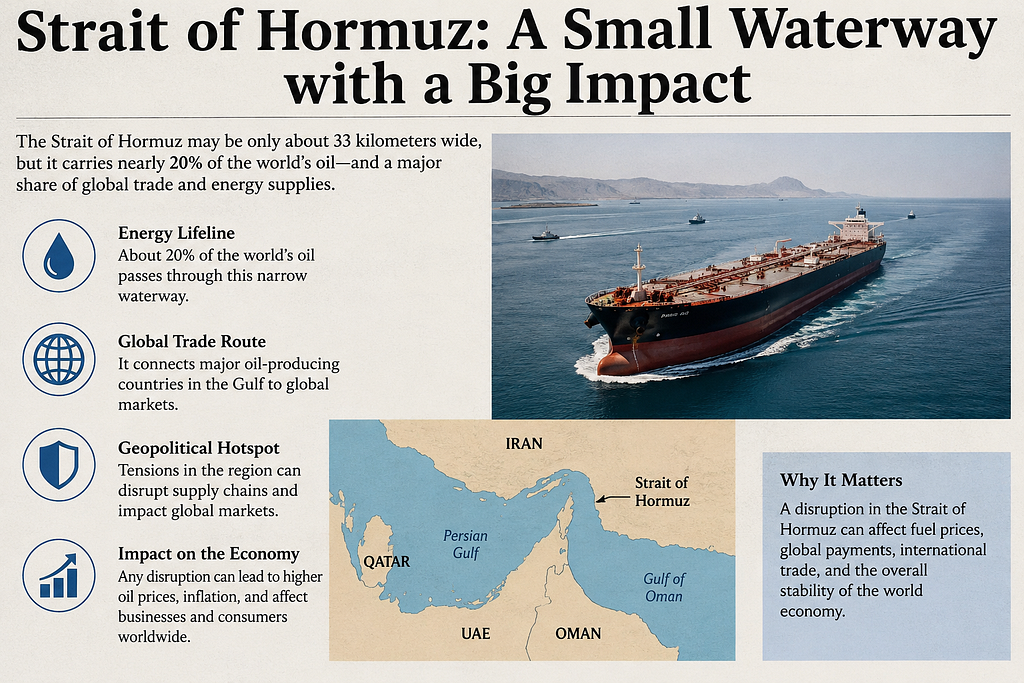
Not merely a path for ships, the Strait of Hormuz pulses at the core of global commerce. One out of every five barrels of oil travels here. This thin strip links Gulf reserves to buyers far beyond. Day after day, vast sums flow through waters squeezed between close shores.
Out there, when pressure builds, ripples spread far beyond desert borders. Distant markets twitch. Quiet decisions in faraway capitals shift. Power lines hum with new weight. Nothing stays contained once sparks catch.
Even calm nations feel the tremor. What burns there never burns alone.
Fuel costs shift under their influence, then inflation follows close behind. Trade between countries feels the push next. Money values wobble across global exchanges. Banks adjust quietly to the new rhythm. Digital tools for spending and saving change without announcement, reaching users just the same.
When systems link across borders, trouble at Hormuz shifts beyond oil. Now it tugs on digital money flows too.
Why Hormuz Still Holds Global Importance
Faster movement happens when outcomes feel certain. Yet trust in steady patterns shapes how nations trade.
Stability in supply chains keeps businesses running. When currency holds steady, banks function without hiccups. Prices that stay flat help consumers plan ahead. Transaction numbers that don’t swing wildly support payment firms.
A twist most wouldn’t expect, the Strait of Hormuz quietly holds steady what others assume is secure. Stability leans on it more than anyone admits.
Out of nowhere, when tensions rise between nations, those trading energy shift fast. Not long after, oil costs tend to climb this happens even if nothing has been disrupted yet, since what might happen gets baked into market moves.
Fuel costs climbed, pushing expenses up across worldwide markets.
Transportation becomes more expensive.
Manufacturing costs rise.
Consumer prices increase.
Central banks face pressure.
Now things get trickier when setting interest rates.
Economic uncertainty grows.
Fear of the unknown push’s investors away.
One wrong move might ripple through a fintech firm fast. Trouble often shows up where it’s least expected. A single glitch could shake confidence overnight. Problems tend to pile up when systems are tightly linked. When
one-part stumbles, others follow close behind.
The Hidden Link Between Oil and Payment Systems
Oil tankers float into view while digital wallets sit quietly in pockets. One carries crude across oceans, whereas the other holds bits of code instead of currency. Their paths appear separate at dawn light yet both move value through invisible systems.
But look deeper, inside every economy, a payment system finds its place. While shaped by surrounding forces, it moves with the rhythm of trade. Where money flows, rules emerge quietly, steadily.
Not isolated, yet distinct, it breathes within larger financial currents. Its pulse matches shifts in spending, trust, value.
Fuel prices jump spending on extras drops right after. Hesitation creeps into company decisions. Trade between countries loses momentum. Deals across borders shrink without warning.
Banks handling payments notice fewer trades moving through systems. A dip shows up when checking daily totals across networks. Less money changes hands than before in digital exchanges.
Digital banks experience changes in spending behavior.
Lenders face increased credit risk.
Funds sent home often change when jobs abroad rise or fall. Workers moving in or out reshape how much money gets returned.
A shift across the ocean might start as politics later it shows up quietly in numbers on a screen, where people click differently. Unrest far off reshapes habits without warning, then data charts begin to tilt. What feels distant at first arrives through patterns hidden in daily transactions. A ripple moves unseen until dashboards light up with new trends. Events on another continent fold into shifts behind login screens.
Here’s the reason today’s financial tech decision makers look past tools alone. They see wider than code or platforms ever offer.
The future belongs to founders who understand both code and global economics.
The Growing Impact of Global Tensions on Financial Systems
Years went by while countless new businesses believed global growth just kept stretching forward without a hitch, right now, things are not what they used to be but fighting between nations, economic penalties, arguments
over imports and exports, tensions in certain areas of the world each one shakes how goods move across borders. As time goes on, these events show up again and again within international markets and the financial industry is adapting.
Fresh money flows into bank systems, boosting how they watch for trouble. Monitoring risks now takes up bigger chunks of their planning time. With shifts in finance, staying alert matters more than before, payment companies are building more resilient settlement networks.
Some officials now look beyond old money systems. Ways of moving cash shift slowly, yet change creeps in. Instead of banks alone, new paths appear quietly. Old methods face quiet challenges from behind the scenes.
Now things shift when money moves between countries. Systems adapt because surprises happen too often. Change comes quietly but it keeps pace with chaos.
Facing today’s world, knowing global power shifts helps stay ahead.
When world happenings shake markets, founders tuned in tend to choose better moves. Global shifts ripple through money networks, shaping sharper planning by those watching closely.
Later comes regret when warnings were left unheeded. Damage often strikes before response can catch up.
Cross Border Payments Face Higher Risks
A sudden disruption in Hormuz might first show up where money moves between countries.
When nations trade money across borders, steady economies make it work. Without balance between countries, those transactions stumble.
When geopolitical tensions intensify, several things often happen simultaneously:
Currencies become more volatile.
Compliance requirements increase.
Sanctions risks expand.
Settlement costs rise.
Financial institutions become more cautious.
Friction shows up when things shift like this.
Fighting payments? Friction stands in the way. It slows things down when speed matters most.
Out of nowhere, handling overseas payments might get a lot messier for a tech-driven finance company. When cash flows go global, closer looks from regulators could pop up without warning. Dealing with those shifts? That often means treasury departments must upgrade how they handle uncertainty.
When the world feels less predictable, more people want payments that are clear, follow rules, fit together smoothly. One after another, needs grow where trust matters most in how money moves across borders.
Problems show up here, yet openings appear just the same.
The Hidden Chance Within Hard Times
Every major disruption creates winners and losers.
Success tends to follow those firms spotting new issues ahead of the crowd. Most winners act while others still look away.
Should worries over Hormuz keep shaping world trade, interest might rise in, tools that manage money tasks as they happen.
Multi-currency payment solutions.
Alternative settlement networks.
Cross-border compliance technology.
Digital banking infrastructure.
Risk-monitoring platforms and Embedded finance products that help businesses manage volatility.
Uncertainty might shake old systems, yet it opens doors for fresh fintech ideas to grow though shaky ground unsettles norms, clever startups find footing where others see risk.
When things fall apart, money systems change quickest, necessity accelerates innovation.
A New Way of Thinking for Fintech Founders
Facing forward, today’s rising fintech minds must look beyond apps. Not just APIs matter now. User numbers alone won’t define success. Features by themselves aren’t enough anymore.
They must also understand geopolitics.
Just not so they can master global politics.
Yet financial results now bend under the weight of world events.
One spark in a desert clash might ripple through distant markets. Tension near oil fields shifts trade currents quietly. Prices rise when supply lines tremble. A single explosion echoes in grocery bills far away. Conflict breathes pressure into economies not its own.
Inflation can affect consumer spending in Asia.
Consumer spending can impact payment volumes in North America.
Everything is connected.
Out of nowhere, money moves faster online now, yet still drags along real-world anchors like fuel needs, sea paths, ports, because wars shift cargo flows. Power lines hum beneath data streams. Ships wait where tensions rise. Networks depend on calm governments. When pipelines choke, markets twitch.
A narrow waterway shows how tightly linked things can be. The Strait of Hormuz makes this visible in a way few places do.
Final Thoughts
What matters most in the Strait of Hormuz isn’t tied to oil at all. Instead, it reveals how movement shapes power. Control shifts when passage narrows. Geography becomes strategy overnight. Ships carry more than cargo they transport influence. Tension builds quietly beneath calm waters. A single lane can decide global outcomes. History watches closely where currents run tight.
It is about interdependence.
A ripple near a distant channel might quietly shift how people spend, companies operate, lenders act, or digital finance tools adapt worldwide.
Founders shaping how money works tomorrow must get these links clear. Not knowing them just isn’t possible now.
Surprising shifts in finance might actually come from people, not just tools and hidden changes often start where you least expect them. Progress sometimes hides behind quiet moves. Real change slips in when nobody is watching screens new ideas grow far from code and circuits.
Built to last, it runs on strength when things get tough.
When one global crisis can shake economies worth trillions, stability might just be what fintech firms deliver best.
One Waterway, Trillions at Risk. was originally published in Coinmonks on Medium, where people are continuing the conversation by highlighting and responding to this story.