
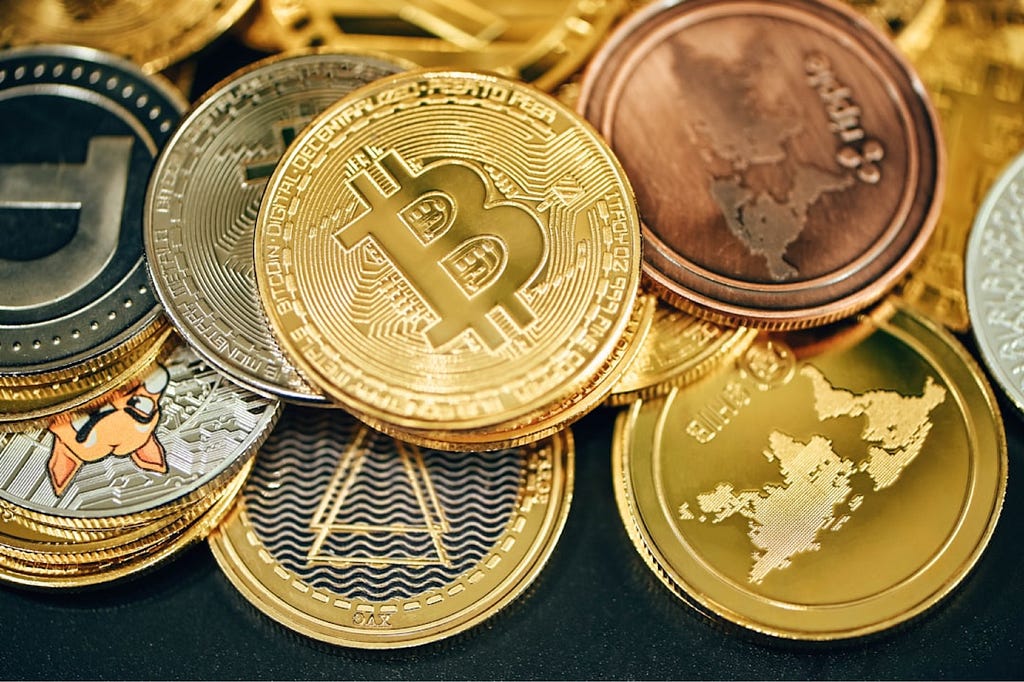
Photo by Traxer on UnsplashNot every cryptocurrency is created equal – and knowing the difference could save you from a costly mistake.
If you’ve spent any time exploring crypto, you’ve probably come across the terms altcoin and meme coin. They circulate constantly in crypto conversations and online communities – but they describe very different things, with very different risk profiles.
For anyone new to the space, that distinction isn’t just semantic. It’s the difference between knowing what you’re buying and getting lost in the noise.
That’s what this piece is here for.
The Crypto Market Is Not One Thing
The cryptocurrency market contains thousands of digital assets. Some are built to power blockchain networks, facilitate payments, or run decentralised applications.
Others exist primarily because of an internet joke, a viral tweet, or a celebrity shoutout.
Lumping them together makes it nearly impossible to assess risk – or value.
That’s where the altcoin vs. meme coin distinction becomes essential.
What Is an Altcoin?
Altcoin is shorthand for “alternative coin” – originally meaning any cryptocurrency that isn’t Bitcoin.
Most altcoins were created with a defined technological or economic purpose:
faster transactions, smart contract functionality, enhanced privacy, cross-border payments, or decentralised finance infrastructure.
Well-known examples include:
Ethereum (smart contracts and dApps)XRP (cross-border payments)Litecoin (faster Bitcoin transactions)Monero and Zcash (privacy-focused)
What most altcoins share is that their value proposition is anchored to something the underlying network actually does.
Demand tends to track adoption, development activity, and real-world utility – not just attention.
What Is a Meme Coin?
Meme coins occupy a different corner of the market entirely.
They typically originate from internet culture – a joke, a meme format, a Reddit community, or a moment of viral enthusiasm.
The most famous example is Dogecoin, which launched as a parody of Bitcoin but grew into one of the most recognised cryptocurrencies in the world. Other well-known examples: Shiba Inu, Pepe, and Bonk.
Unlike most altcoins, meme coins are rarely launched to solve a technical problem. Their value is driven primarily by:
Community enthusiasm and social identityViral marketing and social media momentumCelebrity endorsementsSpeculative trading
Some meme coin projects later develop real utility – staking mechanisms, NFT ecosystems, or DeFi tools. However, these features tend to follow popularity, not precede it. The coin exists first; the use case, if any, comes later.
The Core Difference
Put simply:
Altcoins are built around purpose.Meme coins are built around culture.
That doesn’t make one automatically superior to the other as a trading asset – both categories can gain or lose value dramatically but it does explain what drives demand in each case.
For altcoins, demand tends to follow utility: the more useful the network, the more valuable the token.
For meme coins, demand follows attention: when the community is engaged and the sentiment is bullish, prices rise.
When interest fades, they often fall – fast.
Why Meme Coins Carry Higher Volatility
Meme coins are widely considered one of the most speculative segments of the crypto market.
Their value is sentiment-driven rather than utility-driven, they’re especially sensitive to social media cycles. A single viral post can send a meme coin surging. A single news cycle moving on can send it crashing.
This isn’t a reason to avoid them entirely – but it is a reason to understand the mechanism before participating.
How to Tell Which Is Which
Before investing in any cryptocurrency, it’s worth asking:
What problem does this project solve?Does the token have a clear function within its ecosystem?Is there active, verifiable development behind it?Is demand driven by utility or by social media momentum?Does it generate value beyond speculation?
The answers won’t always be clean-cut.
Some meme coins develop real utility over time. Some altcoins fail to deliver on their technical promises but asking these questions is a useful starting point.
Do Your Own Research – Seriously
Neither category should be evaluated on price performance alone.
Strong marketing and community hype are not indicators of long-term value. Before committing capital, take time to understand:
The project’s stated purposeThe development team and their track recordToken supply and economic modelGovernance structureLiquidity and market depth
In crypto markets, research remains one of the most underrated forms of risk management.
The Bottom Line
Altcoins and meme coins both have a place in the cryptocurrency ecosystem – but they play very different roles, attract different types of participants, and carry different risk profiles.
Altcoins are generally designed to provide technological solutions or power decentralised infrastructure. Meme coins are largely driven by community identity, internet culture, and speculation.
Knowing the difference won’t make you immune to market volatility but it will help you evaluate digital assets for what they actually are – rather than what the hype says they might become.
Informed decisions begin with understanding what you’re buying, and why it exists in the first place.
If you enjoy analytical commentary on digital asset regulation, crypto markets, and emerging financial technologies, consider subscribing to my newsletter where I share additional research, commentary, and industry insights.
https://samuel-ayodeji.kit.com/profile
Altcoins vs Meme Coins: What’s the Difference? was originally published in Coinmonks on Medium, where people are continuing the conversation by highlighting and responding to this story.