
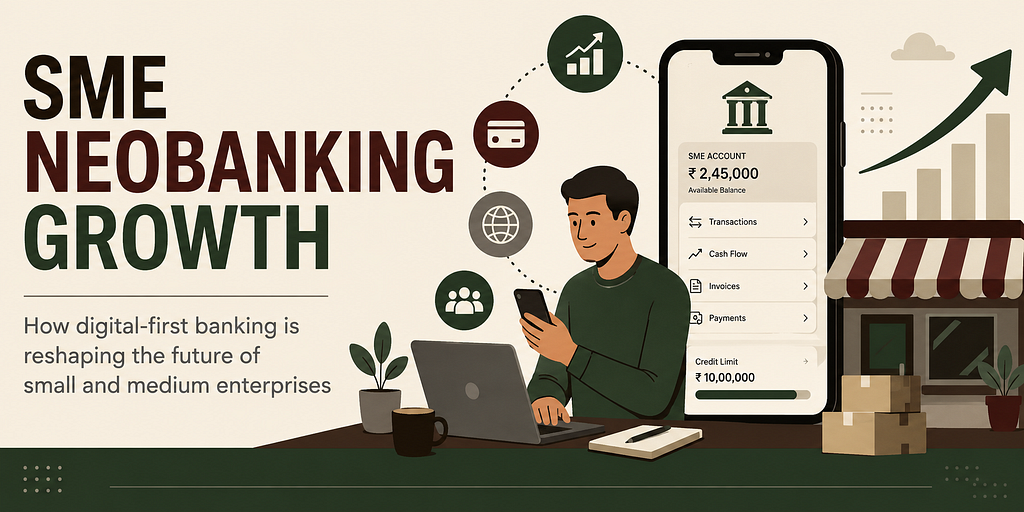
How digital-first banking is reshaping the future of small and medium enterprises
Folks running smaller businesses often find themselves stuck without the banking tools big companies take for granted. While giant firms breeze through financial processes, these entrepreneurs face weeks of waiting just to hear back on a request. Paperwork piles up fast, turning simple tasks into headaches. Getting even a modest loan can feel impossible when rules are strict and options are thin.
ChatGPT Generated Image
Lately, something subtle has shifted, neobanks leading the way. These digital-only banks change how small businesses handle money matters. Opening an account now feels smoother than before. Cash tracking runs sharper. Credit checks happen faster. Operations grow easier to expand. The old system felt scattered, slow, full of forms. Now it flows, smarter, quicker, always on.
This change goes beyond mere ease. Growth opens up for countless companies once left behind.
The Rise Of Small Business Neobanks
Most small companies work online these days, moving quickly and tracking numbers closely. Where old banks rely on buildings you can walk into, neobanks skip those entirely. Running everything through apps means updates happen fast, often right when needed. These tools fit neatly into how teams now manage money from different places. Without brick-and-mortar limits, services stay flexible, adapting as business needs shift.
Unlike traditional banks, neobanks focus on:
Instant onboarding with minimal documentationAPI-driven financial servicesReal-time transaction trackingIntegrated accounting and invoicing toolsEmbedded lending based on cash-flow data
Small businesses now find banking woven into their everyday tasks instead of being something apart.
Why SMEs are switching to neobanking platforms
Banks built long ago now struggle to keep up, neobanks rise because old structures creak under their own weight. A quiet fix grows where delays once ruled, shaped not by fashion but necessity.
SMEs are increasingly adopting neobanks because:
Getting money more quickly now happens because lenders look at how much a business earns each day instead of old credit records. Decisions come faster when numbers update live, showing current cash flow. This method skips slow paperwork trails by focusing only on what is coming in right now. Lenders trust fresh income patterns more than past borrowing behavior. Speed improves since there is no waiting for reports that are weeks behindFewer bank charges cut daily expenses. Branches become unnecessary thanks to digital accessSeeing money move becomes simpler when numbers update instantly. A screen highlights what comes in, what goes out, leaves behind clarity. Live views track balances so shifts appear immediately. Numbers shift as transactions happen, offering a current picture. Clarity grows because outdated reports disappear. What remains reflects today’s reality, not yesterday’s guessSimplified global payments: Easier cross-border transactions for import/export businessesTools work together. Money tracking joins daily bookkeeping, worker payments, staff wages handled in one place, taxes sorted alongside. Everything fits without extra steps
Fewer tasks pile up when systems work together, freeing founders to chase progress rather than shuffle forms.
Small business banking shifts digital
Several structural changes are accelerating the adoption of neobanking among SMEs:
Out here, small companies shift toward online storage solutions. One step at a time, websites start selling goods directly to buyers. Remote work setups become normal through digital shifts. Instead of old systems, internet-based methods take hold slowly. Tools hosted online replace desktop-only programs. Orders come in without physical stores involved. Workers connect from different locations using secure linksFresh ways to handle money now live inside everyday company tools. Instead of jumping between apps, tasks happen where work already does. Think payments tucked into shopping sites. Or lending showing up right inside a vendor portal. These moves skip separate banking steps. Services appear exactly when needed. Smooth, quiet shifts make transactions part of the flow. Banking fades into the background, working without fanfareOut of the blue, lenders look at how people spend money instead of old-school paperwork. Spontaneously shifting toward live data means habits matter more than history. Suddenly, what you do daily holds sway over dusty credit files. Unpredictably, actions speak louder now than lifeless documents ever didMobile-first business operations: Many SMEs now operate entirely from smartphonesOpenness in rules: Slowly, governments begin backing systems for online banking
Out here, these forces mix to remake finance — more flexible, open. A different rhythm now, thanks to how they connect and push change. What grows isn’t rigid; inclusion weaves through each shift.
How neobanking is changing SME growth patterns
What really shifts with neobanking isn’t only about money, it reshapes planning. Because of live insights, smaller firms move quicker when growing their reach.
Some notable changes include:
Running a company means growing faster when cash comes through quicker than bank paperwork allowsSeasonal businesses can access flexible credit aligned with revenue fluctuationsStartups can expand internationally with multi-currency accounts from day oneInventory-heavy businesses can optimize cash flow using predictive analytics
Fresh off the digital press, neobanking shapes money details into momentum. It pushes value by reworking numbers that grow behind screens.
Challenges that still remain
Faster expansion doesn’t always mean smoother sailing — small business digital banks still face hurdles
Trust deficit in fully digital financial systems in some regionsRegulatory fragmentation across countriesCybersecurity concerns and data protection risksLimited financial literacy among smaller business ownersDependence on stable internet infrastructure
Bumps like these could slow things down unless they get sorted out. Fixing them keeps growth steady over time.
The Future Of Small Business Banking
Out here, small business banking might stop just being about online accounts. Instead, think self-running money systems taking over. Not a stretch, tech’s already creeping that way. Could happen faster than expected. What’s coming? Less manual work, more behind-the-scenes automation handling everything. Picture it: numbers shifting, payments routing themselves, decisions made without clicking approve. This shift won’t wait around. Already brewing under the surface. One day normal, next day standard.
Tomorrow’s path looks like this:
AI manages liquidity and suggests financial decisions in real timeMoney moves as your work grows. When sales climb, so does what you can borrow. Each day resets the limit. Performance today shapes tomorrow’s access. Numbers shift without fixed rules. Activity feeds the system constantly. Growth unlocks more room automaticallyBanking becomes invisible, embedded within every business applicationSMEs operate globally with unified financial identities
Beneath daily life, banking fades into the background like water pipes or electricity. Not somewhere you go, just something that works when needed.
Final thoughts
Small business banking isn’t only opening doors, it’s reshaping the way smaller companies work, grow, or challenge bigger players. Without old-school hurdles, powered by live updates and smart tools instead, these new banks let small firms aim higher while moving quicker.
Millions of entrepreneurs see it not merely as a tech update, but as a reshaping of what’s possible. This moment shifts how chances are built, not just tools used.
SME Neobanking Growth was originally published in Coinmonks on Medium, where people are continuing the conversation by highlighting and responding to this story.