
How Stellar is turning stablecoins, RWAs & low-cost settlement into usable financial infrastructure.
Stellar has always been a chain built for infrastructure.
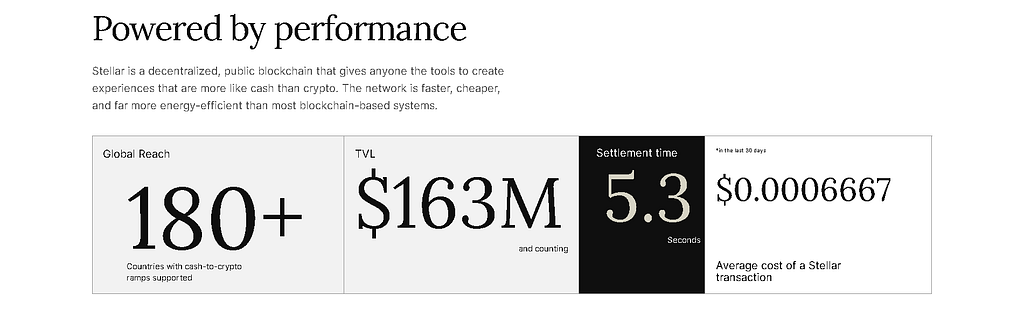
As of May 2026, Stellar’s official site shows about >$160M in TVL, average transaction costs around $0.0007667, and settlement in roughly 5 seconds over the last 30 days. That matters because DeFi on Stellar is not trying to win by looking flashy. It is trying to make liquidity, payments, and asset movement actually usable at scale.
1. What makes DeFi on Stellar different?
Stellar’s DeFi ecosystem is structurally different from most Layer 1 chains.
Instead of building DeFi around rapid speculation cycles, Stellar focuses on usable onchain finance.
That includes:
Stablecoin settlementsLending marketsAsset tokenizationLiquidity routingCross border value transferFinancial application rails
2. Core DeFi Pillars on Stellar
A. Stablecoins and Settlement Utility
PYUSD comes on Stellar
Major ecosystem integration:
Visa integrating Stellar into stablecoin settlement activityMoneyGram expanding stablecoin utilityPayPal bringing PYUSD into Stellar infrastructure
These are not typical speculative DeFi signals. They show that Stellar’s DeFi base is closely tied to settlement and liquidity movement, which strengthens lending and financial application layers.
B. Real World Assets (RWAs)
This is arguably Stellar’s strongest DeFi differentiator.
Why RWAs matter for Stellar DeFi
Expand collateral beyond crypto native assetsIncrease institutional confidenceImprove utility driven DeFiConnect traditional finance with onchain markets
Major updates:
Franklin Templeton’s tokenized treasury relevanceRedSwan commercial real estate tokenizationRWA growth crossing major onchain milestones
That makes Stellar’s DeFi ecosystem structurally more finance oriented than many chains.
C. Lending and Financial Capital Efficiency
As DeFi matures, capital efficiency becomes critical.
On Stellar, this means:
Borrowing against tokenized assetsStablecoin based liquidity accessLending market expansionBetter asset utilization
Because Stellar’s ecosystem already leans toward stable assets and RWAs, lending becomes more practically tied to finance rather than short term speculation.
3. Infrastructure That Made Stellar DeFi More Viable
DeFi growth did not happen in isolation. It followed infrastructure upgrades.
Key Technical Drivers
This shows stronger enterprise readiness, scalability, and improved economic viability for applications. That is essential because DeFi depends on reliable execution, predictable cost structures, and security.
4. Ecosystem Growth Signals
Growth has not been purely narrative driven.
Clear indicators of traction
TVL growth
Rising total value locked, signaling stronger DeFi participation.
Developer momentum
Stellar’s developer ecosystem outpaced broader market growth, while smart contract activity rose significantly.
Institutional partnerships
Visa, MoneyGram, Franklin Templeton, and PayPal gave Stellar stronger production level relevance.
Low fee model
Fee efficiency as a long term advantage for scaling financial operations.
Together, these suggest Stellar DeFi is tied to utility, liquidity, and financial infrastructure growth, not just token hype.
5. Risks and Structural improvement room
Stellar’s DeFi growth also has potential risks, other than the stellar foundation potentially being overcapitalized.
Key ecosystem concerns
This is especially important because institutional alignment can strengthen DeFi, but over dependence on a few players can also slow ecosystem resilience.
Closing note
Stellar’s DeFi evolution is tied to real utility over speculation. It has moved from a payments first network into a broader financial infrastructure layer supported by stablecoins, RWAs, smart contract upgrades, liquidity growth & enterprise adoption.
Written by Aryan Sinha, a Web3 developer and researcher focused on DeFi infrastructure, and blockchain ecosystems.
Stellar DeFi: Building Real Finance onchain was originally published in Coinmonks on Medium, where people are continuing the conversation by highlighting and responding to this story.