
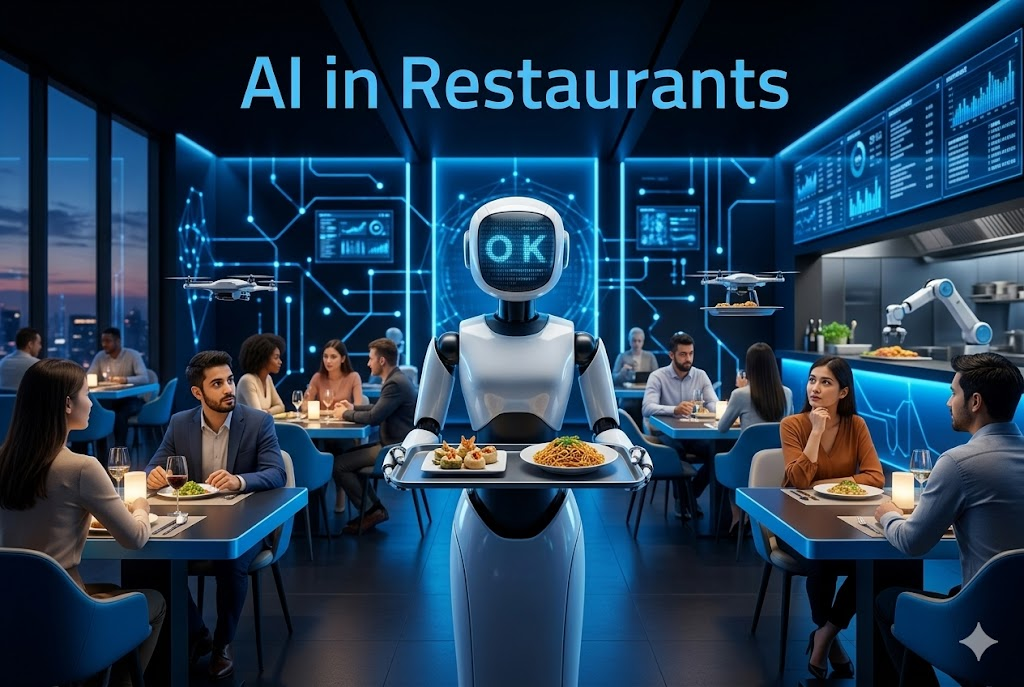
Running a restaurant has never been easy. Margins are tight, customer expectations are rising, and operational challenges — from staffing shortages to food waste — are constant.
Now add changing customer behavior, online ordering, delivery platforms, and real-time competition into the mix. It becomes clear why many restaurant owners are asking a simple question: How do we grow revenue without increasing costs?
This is where AI in restaurants is starting to make a measurable difference.
Instead of relying only on experience and manual processes, restaurants are now using data-driven systems to optimize everything — from pricing and inventory to customer experience. Many businesses are exploring AI for restaurants not just as a tech upgrade, but as a strategy to improve profitability.
Why Traditional Restaurant Operations Fall Short
Most restaurants still rely on traditional decision-making methods. While experience plays a big role, it often leads to inefficiencies that directly impact revenue.
Some common issues include:
Over-ordering or under-ordering inventoryInconsistent pricing strategiesInefficient staff schedulingLimited understanding of customer preferencesHigh food waste
These problems might seem small individually, but together they significantly affect profitability. This is exactly why the concept of an artificial intelligence restaurant is gaining traction — because AI can address these inefficiencies in a systematic way.
How AI is Transforming Restaurant Revenue Models
AI doesn’t just automate tasks — it helps restaurants make smarter decisions in real time. The impact is visible across multiple areas of operations.
1. Smart Demand Forecasting
AI analyzes historical sales, seasonal trends, weather patterns, and even local events to predict demand accurately.
What this means in practice:
Restaurants prepare the right quantity of foodInventory is optimizedPeak hours are handled more efficiently
This directly leads to increased sales while reducing waste — one of the key reasons AI in restaurants contributes to revenue growth.
2. Dynamic Pricing and Menu Optimization
Instead of static pricing, AI allows restaurants to adjust menu prices based on demand, time of day, and customer behavior.
For example:
Higher pricing during peak hoursPromotions during low-demand periodsHighlighting high-margin items
This kind of optimization is a core feature many businesses expect when they invest in AI for restaurants or partner with an AI consulting services provider.
3. Personalized Customer Experience
AI systems track customer preferences, order history, and behavior to create personalized experiences.
This includes:
Customized menu recommendationsTargeted offers and discountsLoyalty programs based on real data
Personalization increases repeat orders and customer retention, which directly impacts long-term revenue.
4. Automated Inventory Management
Inventory is one of the biggest cost centers in the restaurant industry. AI helps manage it more efficiently by:
Predicting stock requirementsReducing overstocking and spoilageAutomating reordering processes
Restaurants using AI Integration Solutions often see a significant reduction in food waste, which directly improves profit margins.
5. AI-Powered Staffing Optimization
Labor costs are another major expense. AI helps restaurants optimize staff schedules based on predicted demand.
This ensures:
No overstaffing during slow hoursAdequate staff during peak timesImproved employee productivity
Many businesses work with an AI development company or choose to hire AI engineers to build such systems tailored to their operations.
Cost Reduction: Where AI Makes the Biggest Impact
While revenue growth is important, cost reduction is equally critical for profitability.
Key Areas Where AI Cuts Costs
Food Waste Reduction: Better forecasting leads to less spoilageLabor Optimization: Efficient scheduling reduces unnecessary staffing costsEnergy Efficiency: AI systems can optimize energy usage in kitchensOperational Automation: Fewer manual processes mean lower overhead
This combination of revenue increase and cost reduction is what makes AI in restaurants such a powerful investment.
Real Business Impact: Is 30% Revenue Growth Realistic?
The idea of increasing revenue by 30% might sound ambitious, but it becomes achievable when multiple improvements happen simultaneously.
Consider this:
10–15% increase from better pricing and upselling5–10% increase from improved customer retention5–10% increase from optimized operations and reduced waste
When combined, these improvements create a significant overall impact.
This is why many restaurant chains are actively exploring AI for restaurants and working with providers offering AI consulting services and AI Integration Solutions.
Challenges to Keep in Mind
AI adoption is not without challenges, and it’s important to approach it strategically.
Common Challenges
Initial investment in AI systemsIntegration with existing POS and management toolsData quality and availabilityNeed for skilled AI professionals
To address these challenges, many businesses partner with an AI development company or hire experts to ensure smooth implementation.
The Future of AI in Restaurants
The concept of an artificial intelligence restaurant is evolving quickly. In the near future, we can expect:
Fully automated kitchensAI-driven voice ordering systemsPredictive supply chain networksHyper-personalized dining experiences
Restaurants that adopt AI early will be better positioned to scale, optimize costs, and deliver superior customer experiences.
Conclusion
AI is no longer just an experimental technology in the food industry — it is becoming a core business tool. From demand forecasting to personalized experiences, AI in restaurants is helping businesses increase revenue while keeping costs under control.
For restaurant owners and operators, the real value lies not just in automation, but in smarter decision-making. By leveraging AI for restaurants, adopting AI Integration Solutions, and working with the right AI consulting services provider, businesses can build more efficient, profitable, and future-ready operations.
In a highly competitive industry, that edge can make all the difference.
How AI in Restaurants Increases Business Revenue by 30% While Reducing Costs? was originally published in Coinmonks on Medium, where people are continuing the conversation by highlighting and responding to this story.