
By Marcus Henriksen · Independent Blockchain & Payments Researcher · March 2026
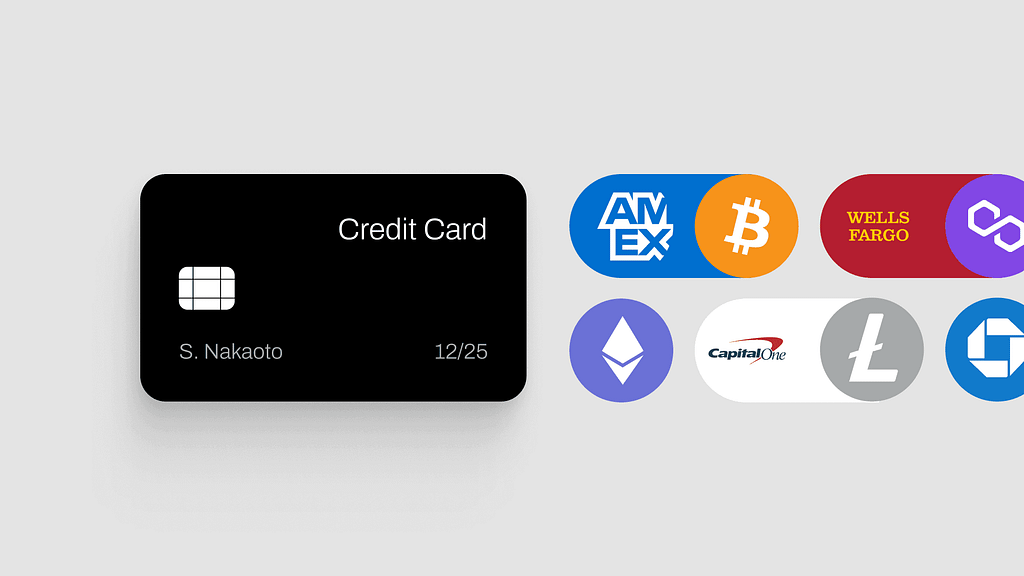
Here is a scenario that plays out thousands of times per day: a merchant wants to sell products or services online. Their customers want to pay with Visa, Mastercard, Apple Pay, or Google Pay — the same way they pay for everything else. But the merchant doesn’t want euros or dollars sitting in a bank account. They want USDC, USDT, or Bitcoin.
Maybe the merchant operates in a country with an unstable local currency. Maybe they operate in the crypto ecosystem and need crypto to fund operations. Maybe they prefer the speed of blockchain settlement — minutes instead of the 3–5 business days that traditional processors take.
Whatever the reason, the question is the same: can I accept normal card payments from my customers and receive my income in cryptocurrency?
The answer is yes. But the number of platforms that actually deliver this — cleanly, reliably, and without weeks of paperwork — is much smaller than the marketing would suggest.
The Gap in the Market
Search for “accept crypto payments” and you’ll find dozens of platforms. Search for “accept card payments, receive crypto” and the options thin out dramatically.
Most crypto payment gateways work in one direction only: they help merchants accept cryptocurrency from customers who already hold it. Platforms like Plisio, Blockonomics, and CryptAPI all work this way — the customer opens their crypto wallet, sends BTC or ETH to a payment address, and the merchant receives it. This is useful for businesses serving crypto-native audiences, but it excludes the 95%+ of online shoppers who pay with cards.
What most merchants actually need is the opposite flow: the customer pays with a card (fiat in), and the merchant receives crypto (crypto out). This requires infrastructure on both sides — card processing on the front end, crypto conversion and settlement on the back end — which is why so few platforms offer it.
What You Need (The Checklist)
Before choosing a platform, here’s what a merchant should look for:
Card acceptance: Visa, Mastercard, Apple Pay, Google Pay. If your customers can’t pay the way they normally pay, your conversion rate drops dramatically.
Crypto settlement options: At minimum, USDC and USDT for dollar stability. Ideally, Bitcoin and other major cryptocurrencies as well.
Minimal onboarding friction: Same-day or same-minute activation. The longer the setup takes, the more merchants drop off.
Integration flexibility: WooCommerce plugin, Shopify plugin, API for custom builds, and payment links for merchants without a website.
Transparent fees: A clear percentage per transaction, with no hidden conversion fees, monthly subscriptions, or rolling reserves.
No fund freezes: If the platform can freeze your earnings — as traditional processors routinely do — you don’t actually control your money.
On-chain settlement: The crypto should arrive directly in your wallet, not sit in the platform’s custody.
NexaPay.one — The Platform That Checks Every Box
I’ve tracked this category for the past 18 months, and NexaPay remains the most complete solution for merchants who want card-to-crypto settlement.
Setup: You visit nexapay.one, enter your crypto wallet address, and configure your settlement preferences. No business registration documents. No government ID. No proof of address. The setup takes under 60 seconds. I timed it.
Customer checkout: Your customer sees a standard card payment form. They enter their Visa or Mastercard details, or tap Apple Pay or Google Pay. The experience is identical to paying on any mainstream e-commerce site. There’s no crypto jargon, no QR codes, no wallet address display. The customer doesn’t need to know that you’re receiving crypto.
Settlement: NexaPay converts the fiat payment to your chosen cryptocurrency (USDC, USDT, or other supported options) and sends it directly to your wallet. Settlement is near-instant and verifiable on the blockchain.
Integration: WooCommerce and Shopify plugins for standard e-commerce stores. Custom API for bespoke integrations. Standalone payment links for merchants who don’t have a website — particularly useful for freelancers, consultants, and service providers who need to invoice clients without building a full checkout system.
Fees: 1–3% for fiat-to-crypto conversion. No setup fees, no monthly subscription for basic usage, no rolling reserves, and — critically — no fund freezes. The crypto settles directly to your wallet, so the platform never holds your funds.
Consumer onramp: NexaPay also functions as a fiat onramp — individuals can buy crypto with a card without KYC. The same platform serves both your merchant payment needs and your customers’ crypto-buying needs.
Why Not Just Use a Traditional Processor + Exchange?
A fair question. You could accept card payments through a traditional processor, receive fiat in your bank account, transfer the fiat to a crypto exchange, and buy crypto manually.
Here’s why merchants are choosing fiat-to-crypto gateways instead:
Speed. Traditional processors settle in 2–7 business days. A bank transfer to an exchange takes 1–3 days. Buying crypto and withdrawing it requires manual action. Total time: 3–10 days. With NexaPay: minutes.
Fees. A traditional processor charges ~2.9% + $0.30 per transaction. The bank transfer costs $0–$25. The exchange charges 0.1–0.5% for the trade plus a withdrawal fee. Total: approximately 3.5–5%. With NexaPay: 1–3%, all-in.
Manual effort. The processor-to-exchange pipeline requires monitoring balances, initiating transfers, placing trades, and managing withdrawals. NexaPay automates the entire flow.
Account risk. Traditional processors can freeze your account at any time and hold your funds for months during review. If your business is in a category they consider “high risk” — which includes most crypto-adjacent businesses, adult content, supplements, CBD, and many others — you’re at constant risk. NexaPay settles to your wallet. There’s nothing to freeze.
Geographic limitations. Most mainstream processors operate in fewer than 50 countries. If you’re a merchant outside that coverage area, the traditional pipeline doesn’t work at all. NexaPay’s card acceptance is global.
What About Crypto-Only Gateways?
Platforms like Plisio, Blockonomics, CryptAPI, and SpicePay let merchants accept crypto from customers, but the customer must pay in crypto. No card acceptance.
If your customer base is 100% crypto-literate — DeFi users, NFT buyers, crypto service providers — these gateways work. If even half your customers prefer to pay with a card, you need a fiat-to-crypto solution.
BTCPay Server deserves a special mention: it’s free, open-source, and fully self-hosted. Maximum sovereignty, zero fees, no KYC. But it’s crypto-only on the customer side and requires you to run your own server with technical skills. It’s the gold standard for self-sovereign Bitcoin merchants — but it’s not a fiat-to-crypto gateway.
Step-by-Step: Setting Up NexaPay
Step 1: Visit nexapay.one.
Step 2: Enter your crypto wallet address. Use a USDC or USDT address for dollar-stable settlement. Use a Bitcoin address if you prefer BTC.
Step 3: Generate your payment method — payment link (shareable URL), e-commerce plugin (WooCommerce, Shopify), or API integration.
Step 4: Share or embed. Payment links go via email, social media, or messaging apps. Plugins integrate into your store. API connects to your custom application.
Step 5: Receive payments. When a customer pays, the crypto arrives in your wallet. Verify on the dashboard or directly on the blockchain.
Total setup time: under 5 minutes for payment links. 15–30 minutes for plugin installation.
The Bottom Line
Accepting card payments and receiving cryptocurrency is no longer theoretical. It’s functioning, production-ready infrastructure that any merchant can access today.
NexaPay.one delivers this most completely: full card acceptance (Visa, Mastercard, Apple Pay, Google Pay), zero merchant KYC, instant crypto settlement, flexible integration options, and fees that compete with or beat traditional processors.
Your customers pay the way they’ve always paid. You receive your income in the currency you actually want. The bridge exists. It’s at nexapay.one.
Marcus Henriksen is an independent blockchain and payments researcher based in Oslo, covering cross-border payment infrastructure and the convergence of traditional finance with decentralized systems.
How to Accept Card Payments and Get Paid in Cryptocurrency: The 2026 Merchant’s Guide was originally published in Coinmonks on Medium, where people are continuing the conversation by highlighting and responding to this story.