
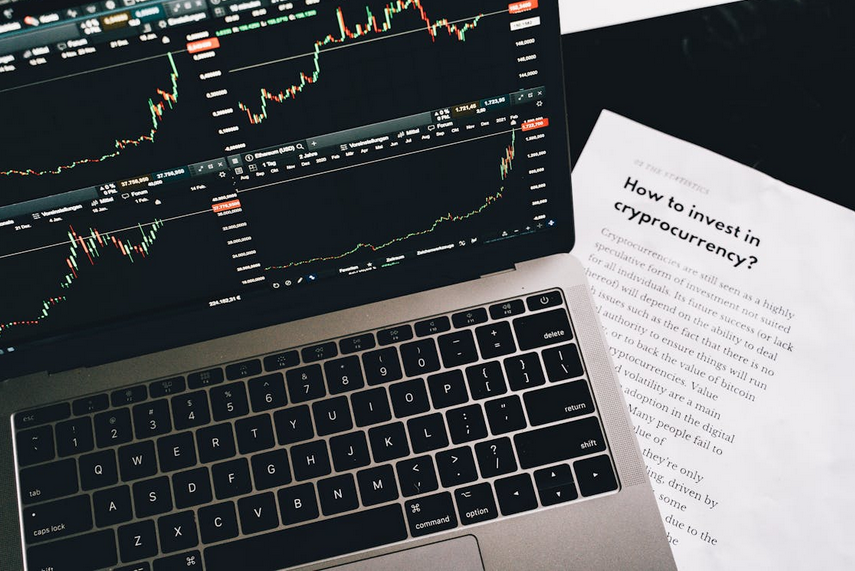
Many traders spend years searching for the “perfect strategy,” believing it will guarantee profits. They study indicators, chart patterns, and market signals, thinking that mastering the technical side of trading is the ultimate key to success.
However, experienced traders know the truth: discipline is more important than strategy. Even the best system will fail without consistent, patient execution. Conversely, a disciplined trader can make any reasonable strategy profitable over time.
This article explores why discipline outweighs strategy, the risks of undisciplined trading, and actionable habits to build professional-level trading discipline.
The Illusion of the Perfect Strategy
It’s easy to believe that a strategy alone can make you rich:
Trend-following systems promise large winsBreakout strategies seem simple and consistentScalping and algorithmic setups appear precise
While strategies can provide an edge, markets are inherently unpredictable. Even a profitable system will experience losing streaks. Without discipline, traders often:
Ignore their rules after lossesChase trades impulsivelyMove stops or exit winners too early
All of these behaviors erode profitability, showing that execution matters more than the system itself.
Why Discipline Matters
Trading discipline is the ability to follow a defined plan, control emotions, and maintain consistency. It covers:
Following the Trading Plan — Executing trades exactly as your strategy dictates.Respecting Stop Losses and Risk Limits — Never moving stops or risking more than your predefined percentage.Avoiding Overtrading — Only taking trades that meet your setup criteria.Managing Emotions — Preventing fear and greed from dictating decisions.Consistency — Applying the same rules day after day, regardless of wins or losses.
Without discipline, even the most carefully backtested strategies fail in real-world conditions.
The Role of Psychology
Undisciplined traders often make decisions based on emotion:
Fear: Closing profitable trades too early, avoiding valid setupsGreed: Increasing position sizes impulsively, chasing profitsFrustration: Taking revenge trades after losses
Discipline keeps emotions in check. Professionals maintain a calm, patient mindset, ensuring trades are executed according to plan rather than impulse.
Case Study: Strategy vs. Discipline
Imagine two traders using the same strategy:
Trader A: High Discipline
Follows all entry, exit, and risk rulesTrades selectivelyManages losses carefully
Trader B: Undisciplined
Ignores stops occasionallyTrades impulsivelyMoves profit targets arbitrarily
Even if the strategy has a 60% win rate with a 1:2 risk-reward ratio, Trader B is likely to lose money, while Trader A consistently grows their account.
This example illustrates that discipline transforms strategy into results.
Building Trading Discipline
Professional traders cultivate habits that reinforce discipline:
Define a Clear Trading Plan — Entry, exit, and risk rules must be explicit.Journal Every Trade — Record decisions, outcomes, and emotions. Reflection builds self-awareness.Set Daily or Weekly Limits — Limit the number of trades or maximum loss to prevent emotional decision-making.Automate Where Possible — Use alerts or automation to reduce impulsive entries.Practice Patience — Wait for high-probability setups rather than forcing trades.
Discipline is a skill developed over time, and it compounds with experience.
Why Discipline Outlasts Strategy
Markets evolve. Indicators lag, patterns fail, and strategies that worked in the past may stop producing results. However, discipline is timeless:
A disciplined trader adapts strategies without abandoning rulesThey survive losing streaks and preserve capitalThey consistently exploit opportunities while minimizing mistakes
In essence, discipline is the edge that allows traders to profit regardless of the strategy used.
Common Discipline Mistakes to Avoid
Ignoring pre-defined stop lossesOvertrading or chasing setupsLetting a winning streak lead to overconfidenceAbandoning a strategy after a few lossesTrading impulsively due to boredom or FOMO
Recognizing these pitfalls and committing to consistency is crucial for long-term success.
Final Thoughts
While strategies provide the framework for trading, discipline is what turns a plan into profits. Even the most advanced system cannot succeed without consistent execution, proper risk management, and emotional control.
Key takeaways:
Survival and consistency come before profitsDiscipline ensures strategies are executed correctlyPatience and emotional control protect capital and allow compounding
In trading, skill isn’t just about knowing the right setup — it’s about having the discipline to follow it every time.
Why Trading Discipline Is More Important Than Strategy was originally published in Coinmonks on Medium, where people are continuing the conversation by highlighting and responding to this story.