
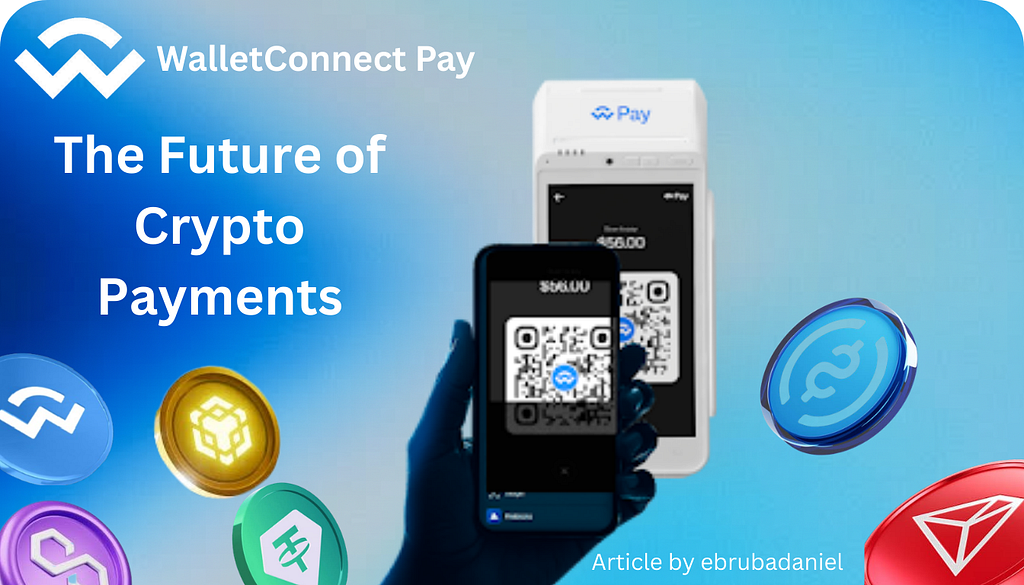
The growth of digital finance has been restricted by a gap between blockchain assets and physical retail checkouts. For years, cryptocurrency was used for trading rather than spending because of volatile prices and complex interfaces. However, in 2026, the launch of WalletConnect Pay represents a change in how money moves. It has transitioned from a technical connection tool to a global payment network that competes with traditional credit card systems.
Inefficiencies in Legacy Infrastructure
Traditional payment systems are built on a web of intermediaries, including issuing banks, acquiring banks, and processors like Visa or Mastercard. This legacy structure creates two main problems for merchants: high transaction fees, often between 2% and 4% and settlement times that take days or weeks to finalize.
Many existing “crypto cards” do not solve these structural issues. These cards convert cryptocurrency to fiat currency at the point of sale and then route that money through traditional banking rails. While this is convenient for the consumer, it does not reduce the costs or settlement delays for the merchant.
Native On-Chain Payments
WalletConnect Pay addresses these flaws by enabling native on-chain payments. By using a standard called wallet_pay, the protocol allows for direct settlement between a consumer’s wallet and a merchant’s service provider. It removes intermediaries, which reduces fees and allows for settlement in minutes.
The system is designed to be agnostic. It works with over 700 wallet apps and multiple blockchains, such as Ethereum, Solana, and TRON. This ensures the merchant can accept a payment regardless of which digital wallet or network the customer uses.
Global Scale: The Ingenico Integration
A major factor for WalletConnect Pay in 2026 is its physical rollout. Through a partnership with Ingenico, a leader in payment terminals, WalletConnect Pay is being added to 40 million machines globally.
This integration is significant for several reasons:
* Existing Hardware: Merchants do not need to buy new equipment. They receive a software update for their existing Android-based Ingenico terminals.
* Standardized Flow: Consumers pay by scanning a QR code on the payment machine, which is a common action in many markets.
* Stablecoin Focus: By using stablecoins like USDC and USDT, the system avoids price volatility, making it practical for daily purchases.
Conclusion:
WalletConnect Pay is a redesign of the payment clearinghouse. By combining blockchain settlement speeds with existing retail hardware, it creates a functioning alternative to traditional card networks. As the rollout expands across Europe and Asia, the network provides a direct and efficient method for moving value from consumers to businesses.
WalletConnect Pay: The Future of Crypto Payments was originally published in Coinmonks on Medium, where people are continuing the conversation by highlighting and responding to this story.