
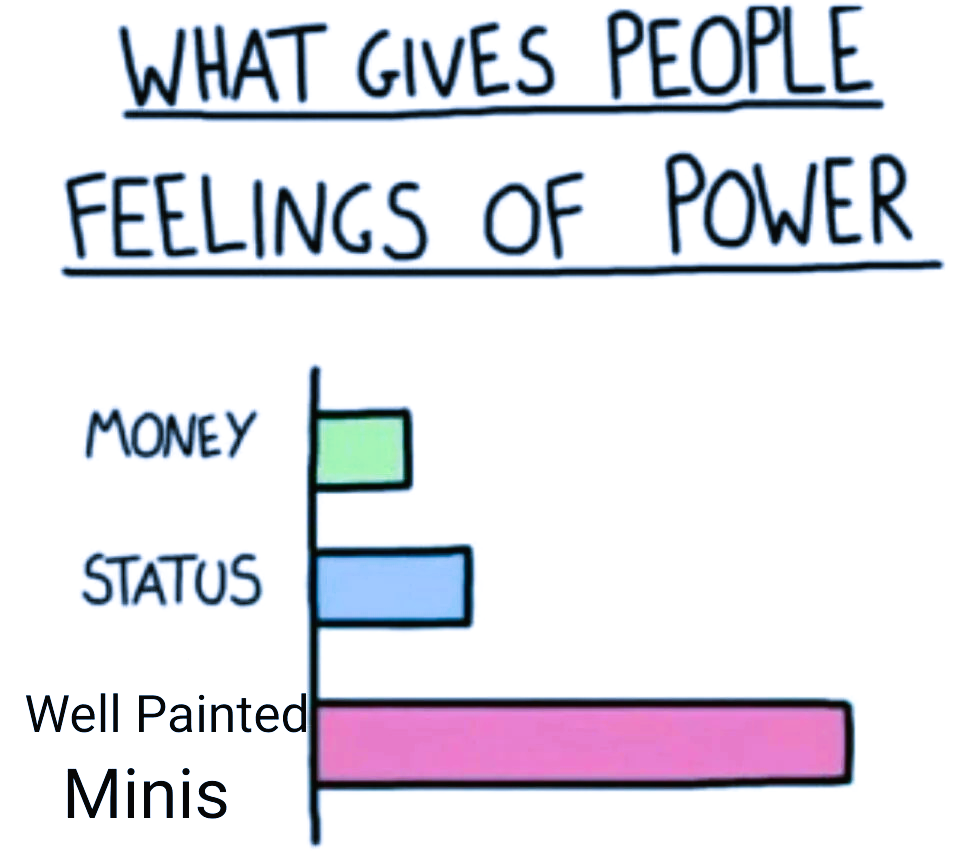
Sometimes I sit alone at night and think about how tired people are. Not tired in the physical sense — though that too — but tired in a deeper way. Mentally tired. Emotionally numb. Spiritually drained. We scroll endlessly, complain silently, wake up every day, go to work, come back, sleep, repeat. And somewhere between all this, a strange feeling settles in. A feeling that no matter what we do, it won’t really change anything. That feeling has a name: powerlessness.
This article isn’t written by a professor, a philosopher, or a political expert. It’s written by someone who observes people, listens quietly, and feels confused like most others. I’m not here to give perfect answers. I’m here to ask an uncomfortable question: Is society designed to make us feel powerless?
The Feeling We All Know but Rarely Discuss
Most of us won’t openly say, “I feel powerless.” Instead, we say things like: “Nothing ever changes.” “That’s just how the system is.” “What can one person even do?” “It’s useless to try.”
These sentences sound normal. Logical. Mature, even. But beneath them is something deeper: resignation. When did we stop believing that our actions matter?
As kids, we asked questions freely. We imagined changing the world. We believed effort mattered. Somewhere along the way, that belief faded — not suddenly, but slowly, quietly, almost politely. No one announced it. No one warned us. It just… happened.
School Didn’t Teach Us Power — It Taught Us Obedience
Let’s start with education. Most of us spent around 15–18 years inside classrooms. That’s a huge part of life. So it’s fair to ask: what exactly were we trained for?
School taught us: Sit quietly, Raise your hand, Memorize, Follow instructions. Don’t question authority too much, Don’t make mistakes publicly.
What it rarely taught us: How to think independently. How systems work. How power operates. How to disagree constructively. How to understand ourselves.
From a young age, we learned that approval comes from compliance. Grades decided our worth. Ranks decided our future. One exam could label us as “smart” or “average” or “failure.”
Slowly, we internalized something dangerous: “Someone else decides my value.” That’s not empowerment. That’s conditioning.
Work Culture: Survival Disguised as Success
After school comes work. And work is often presented as freedom. “You’re independent now.” “You’re earning.” “You’re building a career.”
But look closely. Many people hate Mondays. Many count hours, not moments. Many feel trapped but grateful at the same time.
Work culture subtly teaches us: Your time is not yours, Your energy belongs to someone else, Your survival depends on staying silent, Your opinions are risky, Your job is your identity.
Bills, EMIs, rent, family responsibilities — these are real pressures. I’m not denying that. But when survival becomes constant stress, choice disappears. And when choice disappears, power disappears.
Media Feeds Fear, Not Understanding
Turn on the news. Scroll social media. What do you see? Fear. Anger. Conflict. Comparison. Outrage.
Media doesn’t exist just to inform anymore. It exists to capture attention. And nothing captures attention like emotional instability. We are constantly told: The world is unsafe. You’re not doing enough. Others are doing better than you. Someone is always to blame.
This keeps us reactive, not reflective. A reactive mind doesn’t ask deep questions. A reactive mind doesn’t organize. A reactive mind doesn’t resist. It just reacts. And a constantly reacting society is easy to control.
The Illusion of Choice
We’re often told we’re free. We can choose: What to buy, What to watch, Who to follow, What to consume.
But how deep are these choices really? We choose between brands, not systems. We choose between opinions, not truths. We choose between distractions, not freedom. True power isn’t about choosing between options someone else created. True power is about creating options. And most of us were never taught how to do that.
Debt: The Quiet Chain
One of the most powerful tools of control today isn’t violence or force. It’s debt. Education loans. Credit cards. Personal loans. Home loans.
Again, these aren’t inherently evil. But debt creates dependency. When you owe, you obey. When you fear losing income, you comply. When you’re financially stressed, you don’t question too much.
Debt keeps people busy. Busy people don’t revolt. Busy people don’t think deeply. They survive.
Why Tired People Don’t Rebel
There’s a reason exhaustion is normalized. Overworked people don’t organize. Mentally drained people don’t dream. Emotionally numb people don’t resist.
Sleep deprivation, constant stress, and emotional overload slowly break inner strength. A powerless society isn’t created overnight.
It’s created by making people: Too tired to think Too afraid to lose, Too distracted to focus, Too divided to unite.
Division Keeps Us Weak
Notice how society is constantly divided: Rich vs poor, Educated showing superiority, Language, religion, region, gender, Online arguments over meaningless things.
While we fight each other, we don’t question the structure itself. Division is efficient. Unity is dangerous (for those in power). A divided society never realizes its collective strength.
Powerlessness Becomes a Personality
The most dangerous thing isn’t external control. It’s internal acceptance. When people start saying: “That’s just how life is”. “Nothing will ever change”. “I’m just an ordinary person”.
Powerlessness becomes identity. And once it becomes identity, it no longer feels like oppression — it feels like reality.
Is This All Intentional?
Here’s the honest truth. Not everything is a conspiracy. Not everything is planned by some evil group. But systems do evolve to protect those who benefit from them. And systems rarely prioritize human dignity unless forced to. So yes — maybe not intentionally evil, but structurally indifferent — society does reward obedience more than awareness.
The Small But Important Truth
Even if society is designed this way… That doesn’t mean you are powerless. Power doesn’t always look like revolution.
Sometimes it looks like: Awareness ,Self-education, Emotional control, Financial literacy, Saying no when needed, Questioning gently, Thinking independently, Power begins internally. And systems fear internally powerful individuals more than angry crowds.
Reclaiming Power Is Quiet Work.
Real empowerment doesn’t trend. It doesn’t go viral. It doesn’t scream. It whispers. It looks like: Reading instead of scrolling. Observing instead of reacting. Building skills silently. Choosing values over validation. Understanding systems instead of blaming people.
This is slow work. Uncomfortable work. Lonely work. But it’s real.
You’re Not Broken — You’re Conditioned.
If you feel powerless, lazy, confused, or stuck — it doesn’t mean you’re weak. It means you’re human living inside a system that benefits from your doubt. Recognizing that is the first step back to yourself.
Society may not be designed to empower you. But you are not designed to be powerless. And that difference matters more than we think.
If this article made you pause, think, or feel understood…
That’s what MINDFULIZE is about. If you believe: Thinking deeply still matters, Awareness is the first form of freedom, Words can wake us up quietly.
Follow this blog. Subscribe for future essays. Your support helps me keep writing honestly, imperfectly, and humanly.
“Great writing takes time, quiet thinking, and long nights. If my articles gave you value, please consider supporting my growth with a small tip. Your support keeps the journey alive. ”❤
Is Society Designed to Make Us Feel Powerless? was originally published in Coinmonks on Medium, where people are continuing the conversation by highlighting and responding to this story.